 PerroAmante
Home cleanliness
My home smells of dog and I do not know how to stop it
Understand where the smell comes from, sort the house in 15 minutes a week and get back a home that smells like home.
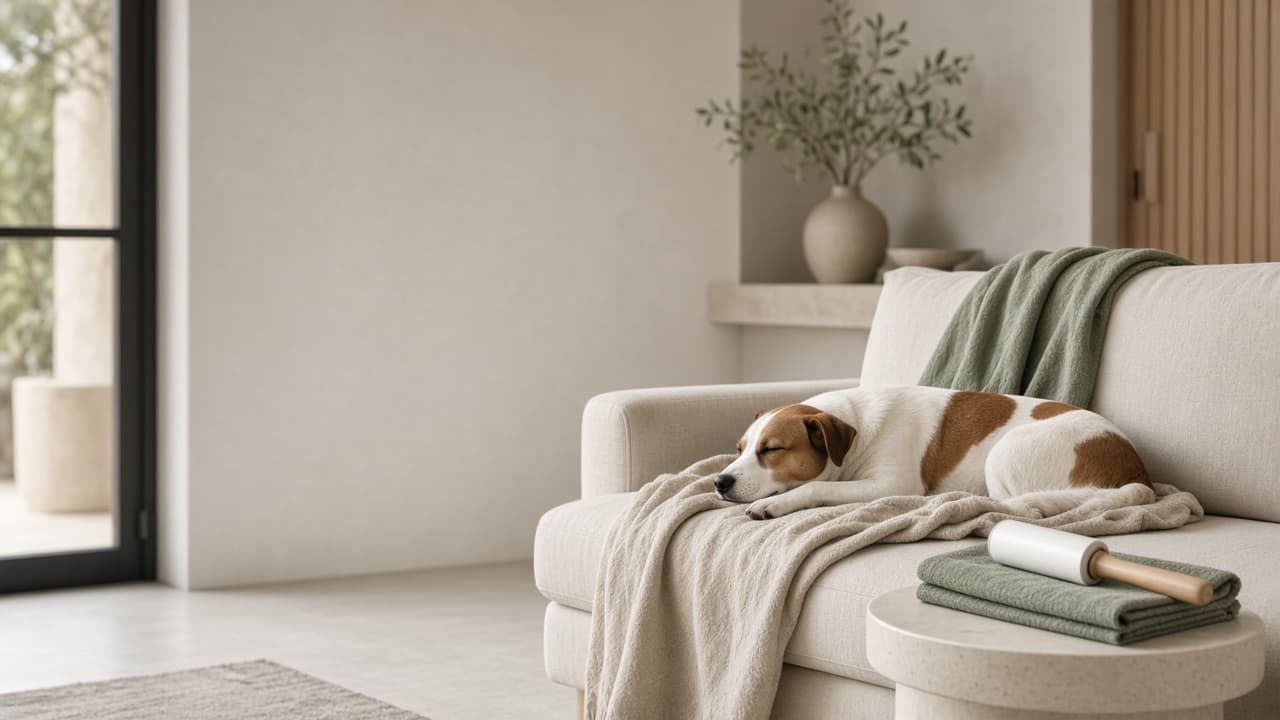
What is going on
There is an awkward moment almost every owner knows: coming home after a few days away and noticing the smell. When you live inside it you do not perceive it, but it is there. And the embarrassment when someone visits is real, even if nobody says anything.
Dog smell in a home almost never comes from one place. It comes from the skin's natural oil transferred to the textiles the dog lies on, from hair gathered in corners and under furniture, from moisture left in the bed after a rainy day, from drooled-on toys left lying around, from the bowl that does not get washed. Each source is small; together they fill a flat.
There is also a source that is not in the house but in the dog: irritated skin, dirty ears or a mouth with tartar produce smells no air freshener covers and no curtain wash resolves. So the useful question is not how to cover the smell but exactly where it comes from. Putting your nose to the dog, its bed, the sofa blanket and the bowl usually gives the answer within a minute.
And then there is the floor. Apartment dogs live at floor level, lick it and lie on it. Whatever you clean it with, whatever is left on it, comes into contact with their skin and mouth. A clean home for a dog is not the one that smells most of cleaning products, but the one that leaves the fewest residues.
The usual road and the PerroAmante road. What people usually try: air fresheners and candles that add to the smell instead of removing it, scented collars and colognes for the dog that irritate its skin, or scrubbing everything with strong products the dog then licks off the floor. They fail because they cover rather than remove, and the source is still there. The Protocolo PerroAmante works in a different order: Understand where the smell in your home comes from, Care with a short weekly routine and products that respect whoever lives at floor level, and Maintain with timely refills and a dog whose skin, mouth and ears are also cared for. It is like a fridge that smells: you do not fix it with a deodoriser inside, you fix it by taking out what was left behind.
Common causes
- 01
Textiles the dog lies on
Beds, blankets, sofa covers and rugs absorb skin oil and coat moisture and release them for days.
- 02
Accumulated hair
Hair left in corners, under furniture and in floor gaps holds smell and dust, and the air carries it through the house.
- 03
Moisture
A dog that comes in wet and lies on its bed leaves dampness that, without ventilation, smells within hours.
- 04
Bowls and toys
Food residue and saliva on bowls and toys ferment quickly, especially in summer.
- 05
The dog itself
Skin, ears, mouth or anal glands with problems produce intense smells that do not disappear by cleaning the house.
- 06
Masking products
Air fresheners, dog colognes and heavily scented cleaners blend with the original smell and often irritate the dog's skin.
Warning signs to watch
- You notice the smell when you come home after a few hours out
- The dog's bed or sofa blanket smells even when it looks clean
- Visible hair in corners, under furniture and in floor gaps
- The bowl has a greasy film or the water tastes stale to the dog
- The smell is concentrated on the dog itself, not the textiles
- Damp marks or saliva stains on the bed
- The dog sneezes or scratches after you clean with strong products
When to contact a vet
See the vet if the smell clearly comes from the dog and not the house, especially if it is intense and from the ears, mouth or tail area, if it appears suddenly, or if it comes with itching, red skin or scooting along the floor. Those smells have a cause, and the cause is not solved by cleaning.
If your adult, house-trained dog urinates indoors, drinks more than usual or has accidents at night, it is not a cleaning problem: book a visit. In senior dogs, a general change in body odour is also worth mentioning at the check-up.
This information is educational and does not replace a veterinary assessment.
Everyday care
Locate before cleaning
Once a week, smell the dog, its bed, the sofa blanket, the bowl and the floor by the door. What smells gets cleaned. The rest gets aired.
Textiles every week
Bed, blanket and covers in the washing machine weekly, fragrance-free detergent, long cycle, and an extra rinse if you can. Two sets means one is always clean.
Hair twice a week
Vacuum with an upholstery brush on sofa and rugs, and a pass over corners and gaps. Brushing the dog regularly is half the job done.
Floors with products that can be licked
A floor cleaner formulated for homes with animals, or water with a drop of neutral soap, then rinsed. No undiluted bleach or ammonia where the dog lies.
Bowls and toys
Bowls in the dishwasher or hot water every day; rubber toys weekly. Fabric ones go in with the blanket.
Ventilation and drying
Ten minutes of open windows every morning and a dry dog before it lies on its bed. Moisture is what turns dog smell into dog-house smell.
Care
Solutions for this problem
A short selection. Every product passed our 7-criteria score; we tell you what it does and does not do.
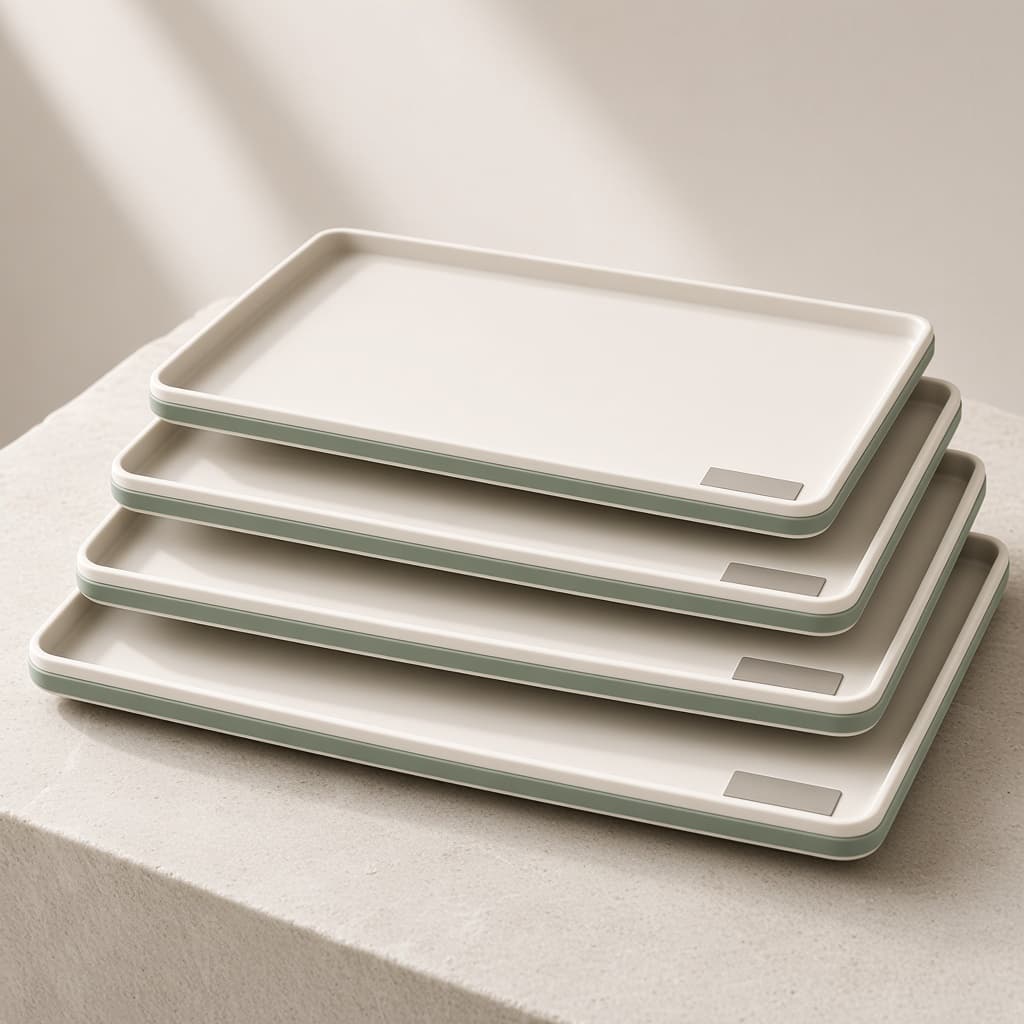
Waterproof silicone feeding mat
Holds the water and kibble that leave the bowl, so the floor does not pay for it.
€16.90
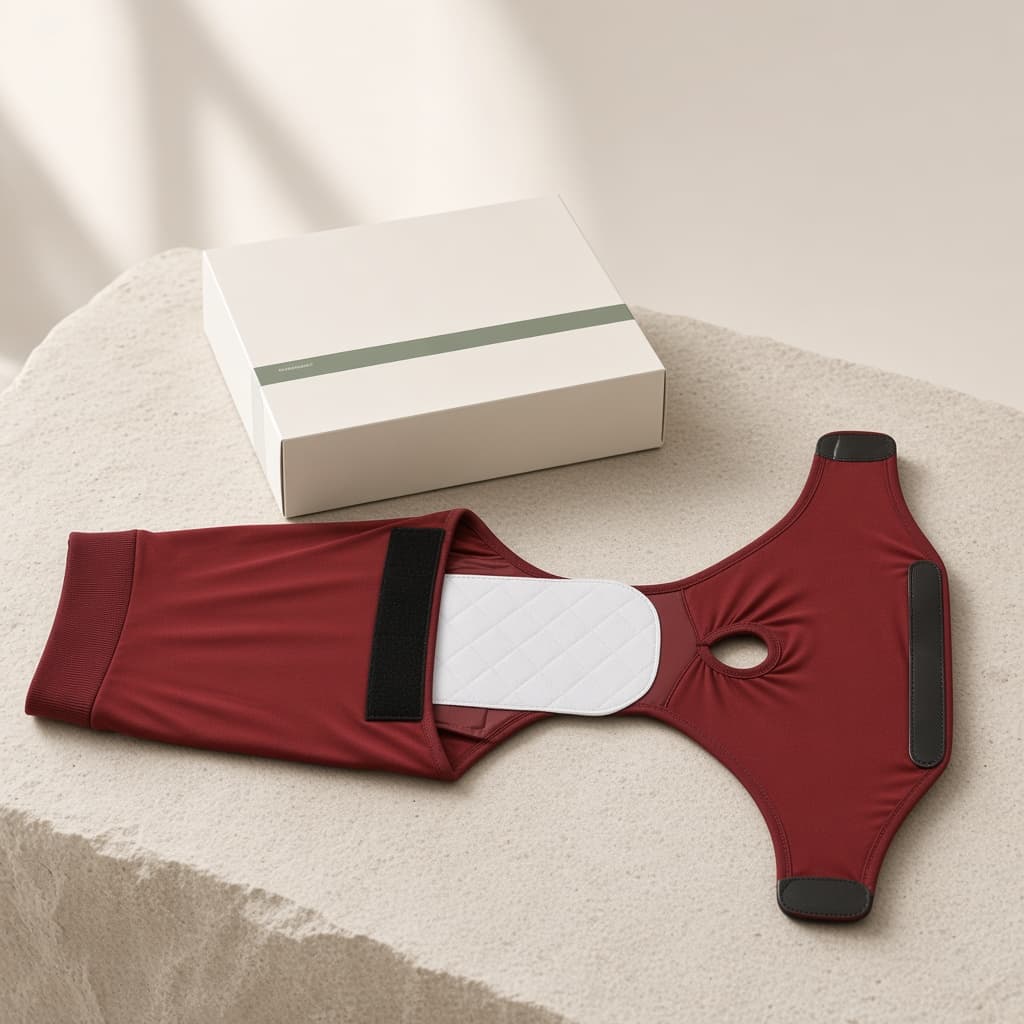
Dog recovery suit
Covers the body to reduce licking without resolving itch.
€24.90
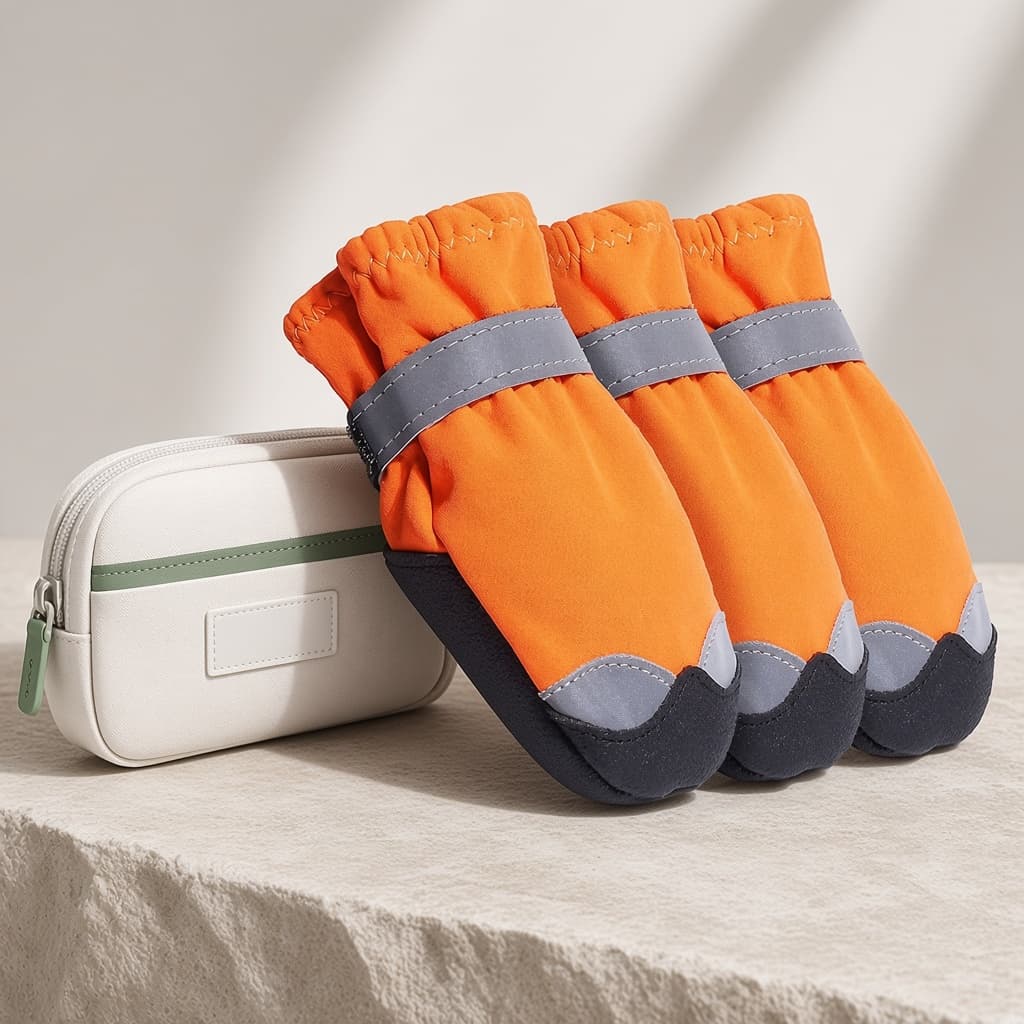
Non-slip dog socks, set of 4
Gives grip on wood and polished tile to the dog that slides, with a rubber sole and reflective webbing.
€18.90
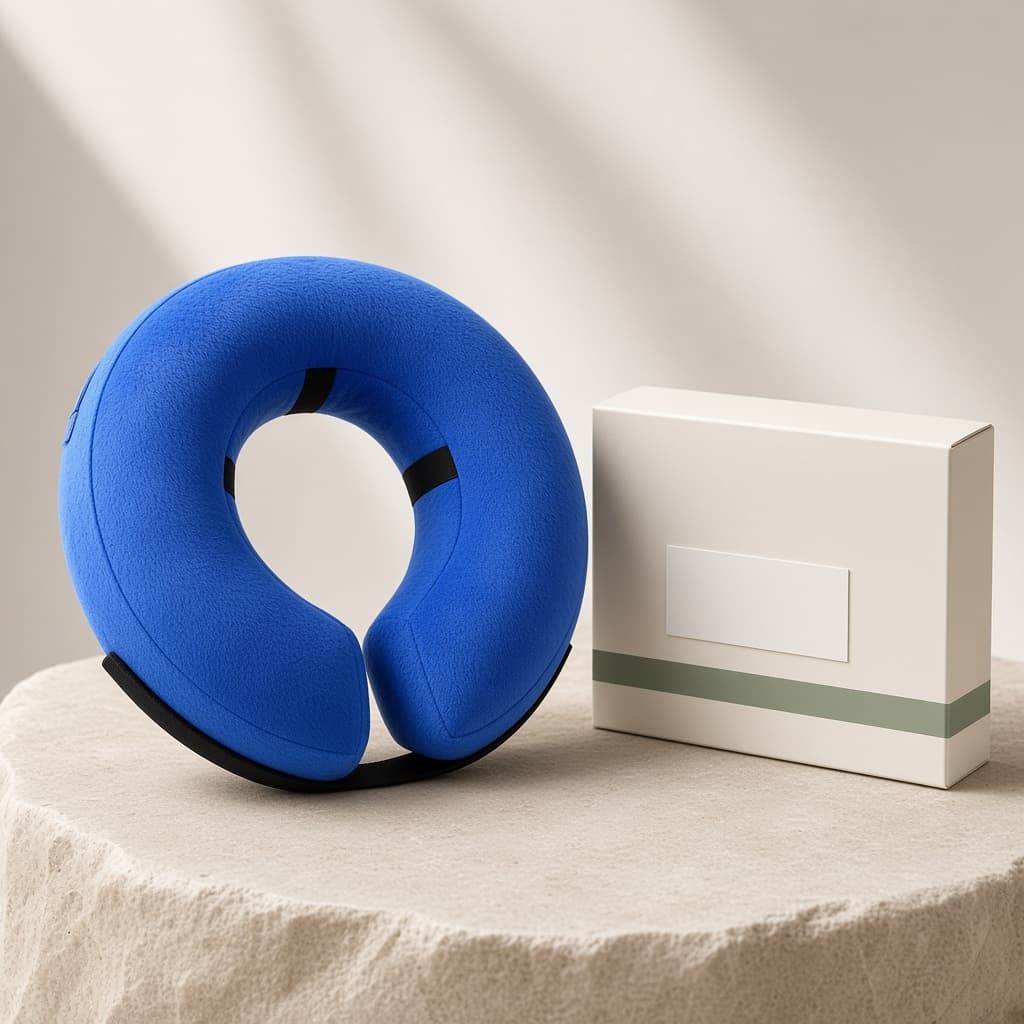
Soft recovery collar
Limits access to body areas without removing itch.
€14.90
Compare
| Compare | Waterproof silicone feeding mat | Dog recovery suit | Non-slip dog socks, set of 4 | Soft recovery collar |
|---|---|---|---|---|
| Format | accessory | clothing | textile | accessory |
| Best for | Holds the water and kibble that leave the bowl, so the floor does not pay for it. | Covers the body to reduce licking without resolving itch. | Gives grip on wood and polished tile to the dog that slides, with a rubber sole and reflective webbing. | Limits access to body areas without removing itch. |
| Role in the routine | Core | Core | Core | Core |
| Reorder | One-time | One-time | One-time | One-time |
| Price | €16.90 | €24.90 | €18.90 | €14.90 |
Community experiences
PerroAmante Circle
Join the PerroAmante Circle
Your first purchase opens the door to our private community: problem-specific discussions, local vet and groomer recommendations, and reorder support.
Guides and articles
Recommended professionals
Vets and groomers who help with this problem, recommended by members.
Frequently asked questions
Do dogs just smell, full stop?
A healthy, clean dog smells very little. The proof: get close to a well-cared-for dog and you notice a mild smell, not a strong one. If your home smells, there is a specific source, and a specific source has a routine or a vet. Accepting it as normal is how it never gets solved.
Can I use air fresheners or dog cologne?
Better not. Air fresheners add to the smell rather than removing it, and dog colognes perfume skin that gets licked and can become irritated. What works is removing the source: washed textiles, collected hair, a dry dog. The house smells of nothing, which is how it should smell.
Is this not just another shop with products that smell of cheap perfume?
No. Everything you see for this problem has passed our 7-criteria score, and one criterion is that it must not mask with fragrance what it should clean. We tell you what each product does and does not do, so you do not end up with another half-used bottle in the cupboard.
How much time a week do I really need?
About fifteen minutes spread out: one load of textiles, two vacuum passes and the bowl every day in thirty seconds. The proof it works is the nose of someone arriving from outside. Once the routine is running, the house stops being a topic.
Join the PerroAmante Circle
Your first purchase opens the door to our private community: problem-specific discussions, local vet and groomer recommendations, and reorder support.