 PerroAmante
Itching & skin
My dog keeps scratching
Understand the cause, care for the skin in 5 minutes a day and know when to call the vet.
What is going on
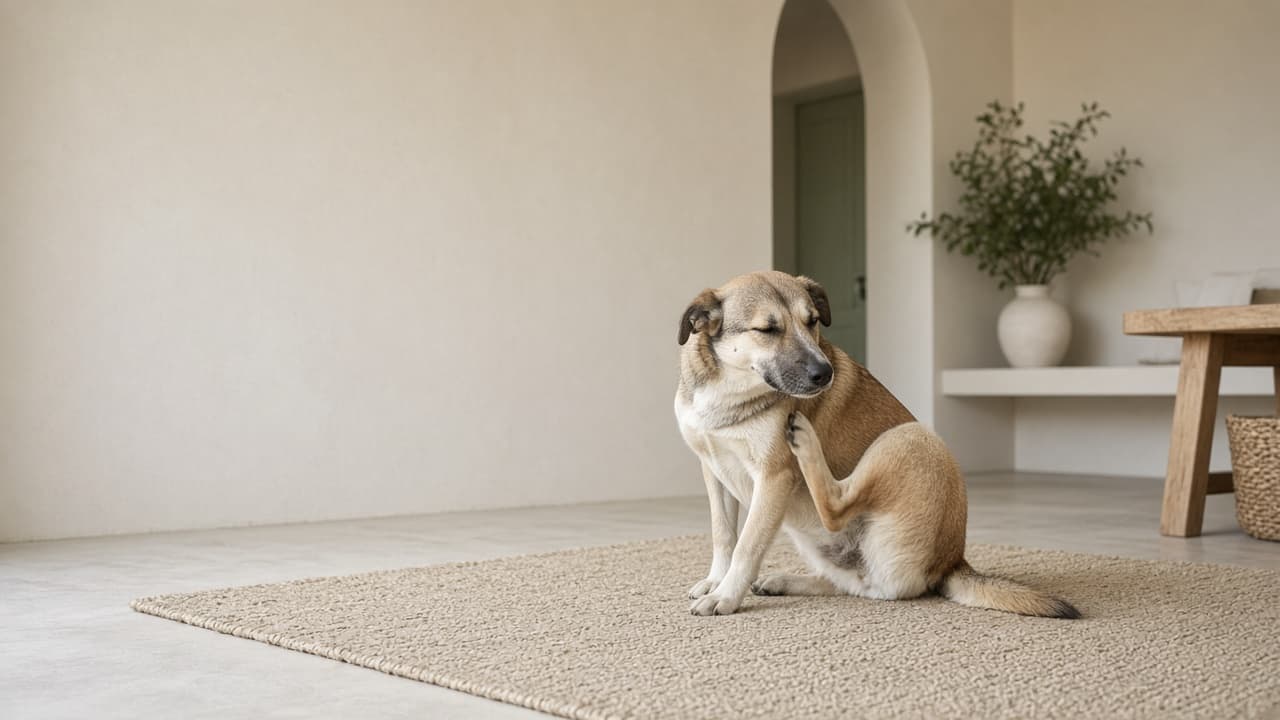
Scratching is part of every dog's life. It becomes a problem when it turns into a routine: waking up to do it, chewing the paws before sleep, rubbing against the sofa several times a day. At that point the skin is already asking for attention.
Skin is your dog's largest organ and it works as a barrier. When that barrier weakens, through dryness, over-washing, the rub of a collar or something in the environment that irritates it, the nerve endings become more sensitive and the itch appears. The dog scratches, the skin becomes a little more inflamed, and the loop closes.
What you see from the outside varies a great deal from one dog to another. Some lick their paws until the fur turns rust-coloured. Others chew the base of the tail or scratch behind the ears. Some only show fine dandruff and a dull coat. All of these behaviours share one root: something is bothering the skin and the dog is trying to relieve it the only way it knows.
Our role is not to name what your dog has. That belongs to your vet, who can look at the skin closely, run tests and give you a plan. What we can do is help you observe better, care for the skin every day and recognise when scratching stops being normal.
The usual road and the PerroAmante road. What people usually try first: a human shampoo, which dries the skin even more; forum remedies such as vinegar or baking soda, which irritate skin that is already sensitive; or clipping the coat short hoping the air will fix it. They fail because they attack the symptom, not the barrier. The Protocolo PerroAmante works in a different order: Understand what is happening to the skin, Care for it with a 5-minute routine and the right product, and Maintain the result with timely refills and a community that has been through the same thing. It is like a damp wall: you can paint over it every month, or fix the leak once.
Common causes
- 01
Dry skin
Central heating, dry air and frequent baths with unsuitable products strip the natural oils that protect the skin.
- 02
External parasites
A single flea bite can cause days of itching in sensitive dogs. Mites and ticks irritate as well.
- 03
Environmental allergens
Pollen, dust mites or grasses from the park settle on coat and skin, especially on the paws and belly.
- 04
Food
Some dogs react to a specific ingredient in their diet, and the skin is often the first place it shows.
- 05
Friction and moisture
Collars, harnesses and skin folds that stay damp encourage irritation and the growth of microorganisms.
- 06
Stress or boredom
Licking one spot can become a habit that soothes a dog left too many hours without stimulation.
Warning signs to watch
- Scratches or licks several times a day and wakes up to do it
- Bald patches with reddened or darkened skin
- Rust-coloured fur on the paws from constant licking
- Scabs, small bumps or little wounds that keep reopening
- A different smell, musty or yeasty
- Heavy dandruff or a dull coat that sheds easily
- Shakes the head or rubs the face along the floor
When to contact a vet
Book an appointment with your vet if you see open wounds, blood, extensive scabs or bald areas, if the itching has gone on for more than two or three days without improving, or if your dog seems flat, eats less or has a fever. Also if scratching keeps the dog from sleeping, or if you find fleas or ticks and are unsure how to act.
With puppies, senior dogs or dogs with other conditions, do not wait: the skin weakens faster and the vet will prefer to see them early. An itch that returns every spring or every time you change food also deserves a visit, because there are protocols only a professional can give you.
This information is educational and does not replace a veterinary assessment.
Everyday care
Observe before acting
For three days note when the scratching happens, where, and what came before it: a walk, a meal, a bath. That small log is gold for your vet.
Bathe with judgement
A mild, fragrance-free shampoo made for sensitive skin, every three to four weeks. Rinse thoroughly and dry folds and between the toes well.
Regular brushing
Two or three times a week with a soft-pin brush. It spreads natural oils, removes dust and pollen and lets you check the skin up close.
Parasite control
Keep up the parasite protection your vet recommended, in winter too.
Clean up after walks
Wipe paws and belly with a damp towel or an alcohol-free wipe when you get home from the park, especially in spring.
A cleaner environment
Wash the bed weekly with a fragrance-free detergent and air the house daily. Less dust means fewer irritants.
Care
Solutions for this problem
A short selection. Every product passed our 7-criteria score; we tell you what it does and does not do.

Dog recovery suit
Covers the body to reduce licking without resolving itch.
€24.90
 Subscribe and save
Moisturizing paw balm
Leaves a light protective layer on the pads without healing cracks.
€12.90
 Subscribe and save
Salmon oil omega 3
Adds fatty acids to daily food without removing itch.
€19.90
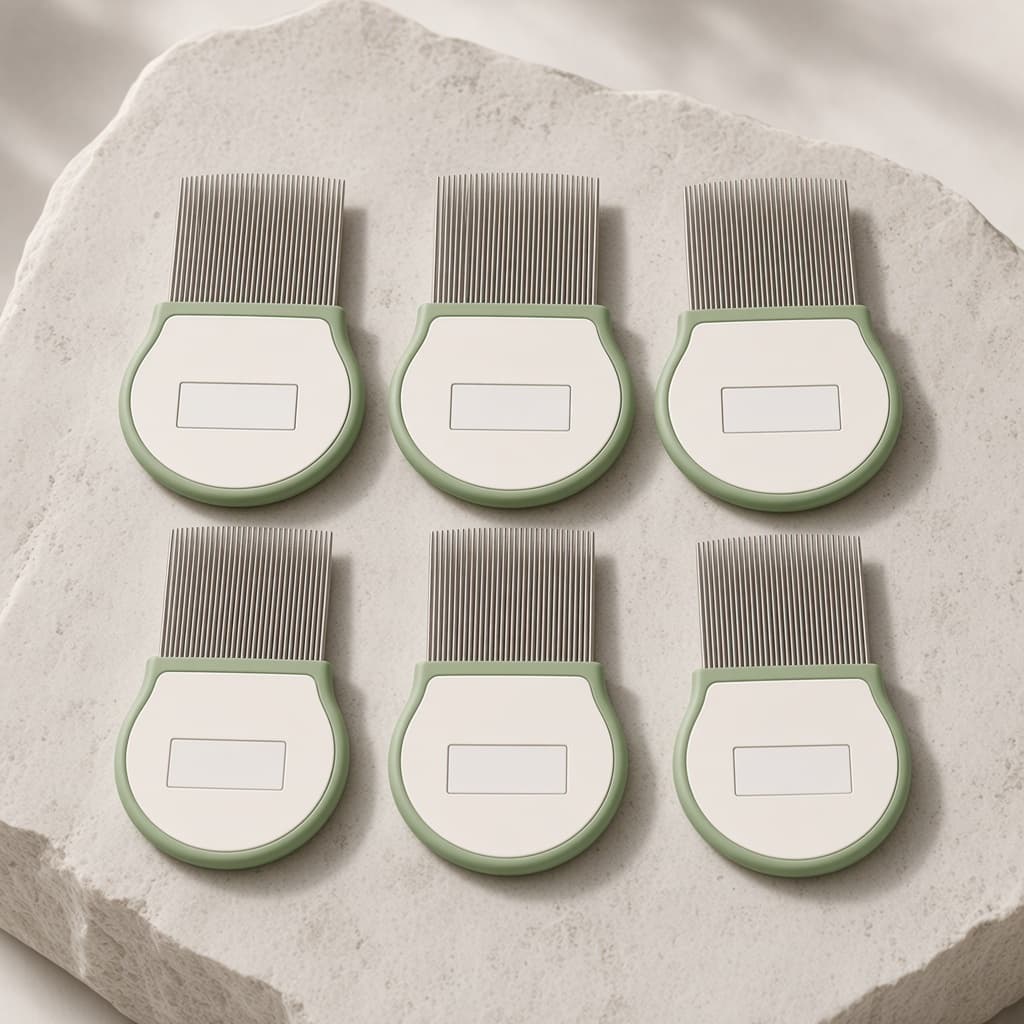
Bamboo grooming comb
Helps remove loose hair without resolving itch.
€9.90
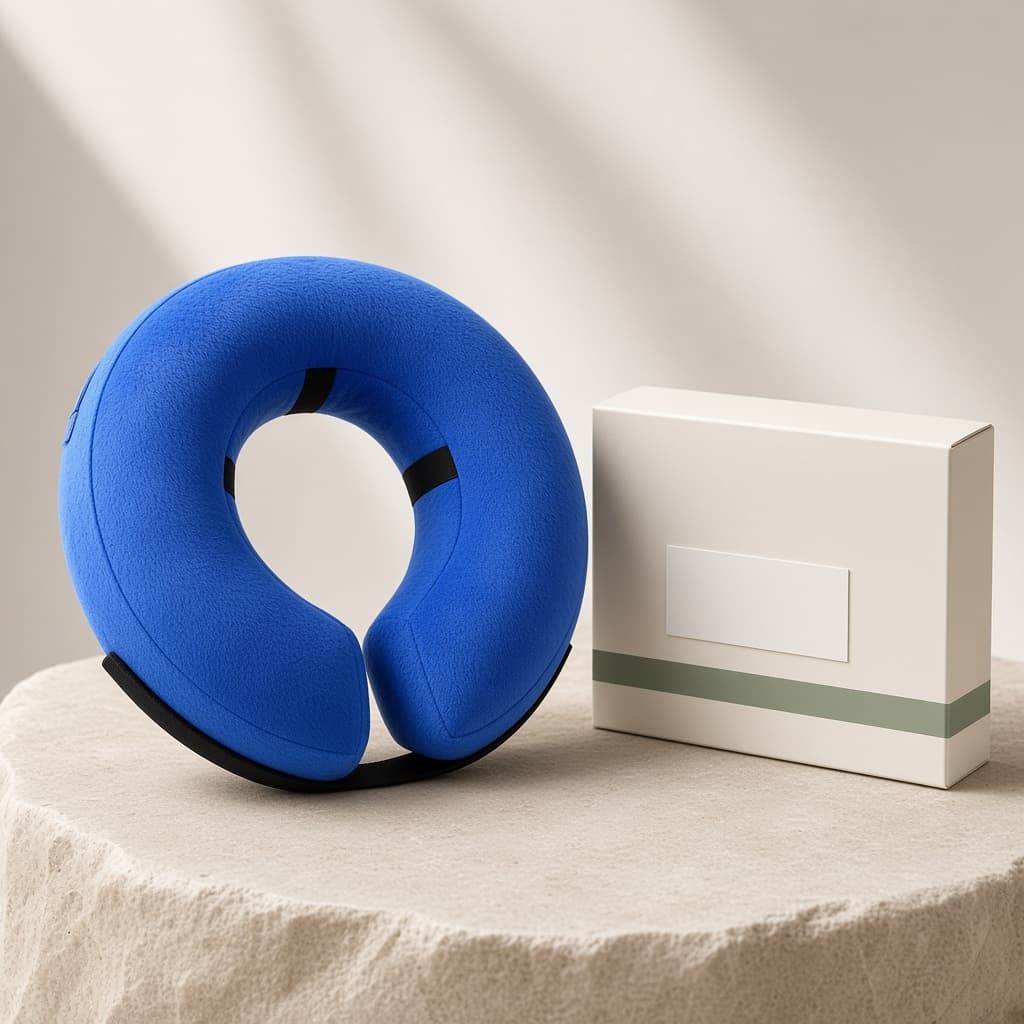
Soft recovery collar
Limits access to body areas without removing itch.
€14.90
 Subscribe and save
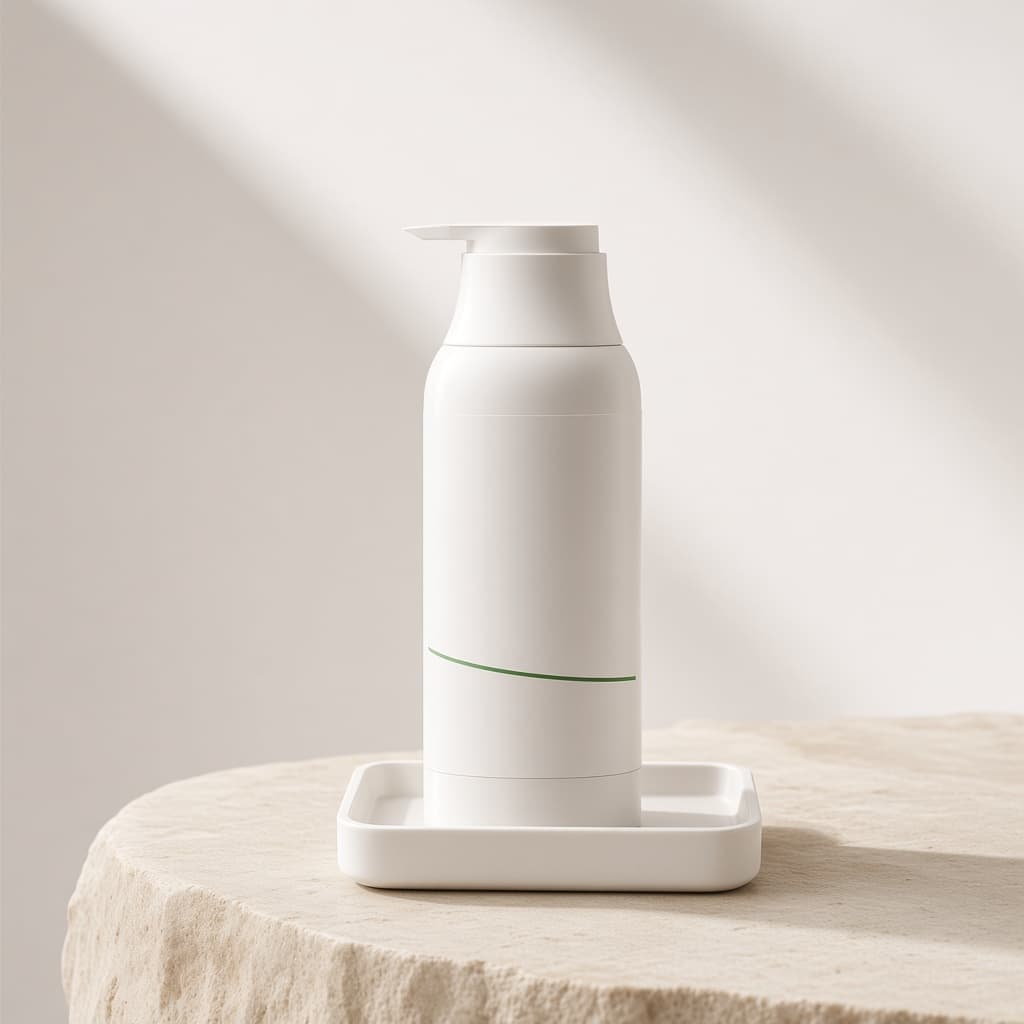
Skin itch relief spray
Helps soothe the sensation of skin itch without masking the source.
€14.90
Compare
| Compare | Dog recovery suit | Moisturizing paw balm | Salmon oil omega 3 | Bamboo grooming comb |
|---|---|---|---|---|
| Format | clothing | balm | supplement | tool |
| Best for | Covers the body to reduce licking without resolving itch. | Leaves a light protective layer on the pads without healing cracks. | Adds fatty acids to daily food without removing itch. | Helps remove loose hair without resolving itch. |
| Role in the routine | Core | Core | Core | Core |
| Reorder | One-time | Subscribe every 45 days, -10% | Subscribe every 45 days, -10% | One-time |
| Price | €24.90 | €12.90 | €19.90 | €9.90 |
Community experiences
PerroAmante Circle
Join the PerroAmante Circle
Your first purchase opens the door to our private community: problem-specific discussions, local vet and groomer recommendations, and reorder support.
Guides and articles
Recommended professionals
Vets and groomers who help with this problem, recommended by members.
Frequently asked questions
How many times a day is it normal for a dog to scratch?
A few brief scratches a day are normal. The proof is the skin: if it stays pink, unmarked and fully coated after scratching, there is no problem. When scratching lasts, repeats or leaves the skin red, that is the cue to start observing and caring, not to panic.
Is it an allergy or dry skin?
You cannot tell from the outside, and we will not guess. Dry skin usually improves within two or three weeks with fewer baths and a gentle routine; allergy comes back with each season or each food change. If you note when the scratching happens and what came before, your vet will reach the answer much sooner.
What if it does not work for my dog?
You have a 90-day guarantee. If you follow the routine and see no difference, we refund you, with no long forms. So you can try without fear of adding one more product to the drawer of things that did not help.
Would I not be better off asking the vet?
Yes, and this page tells you exactly when. The vet diagnoses and treats; we organise what happens between visits: what to watch, how to care for the skin daily and which product to use. You arrive at the appointment with data, not doubts.
Join the PerroAmante Circle
Your first purchase opens the door to our private community: problem-specific discussions, local vet and groomer recommendations, and reorder support.