 PerroAmante
Grooming
I want to care for my dog's coat at home without hurting it
Understand the coat type, care for it in 10 minutes a week and know what to leave to a professional.
What is going on
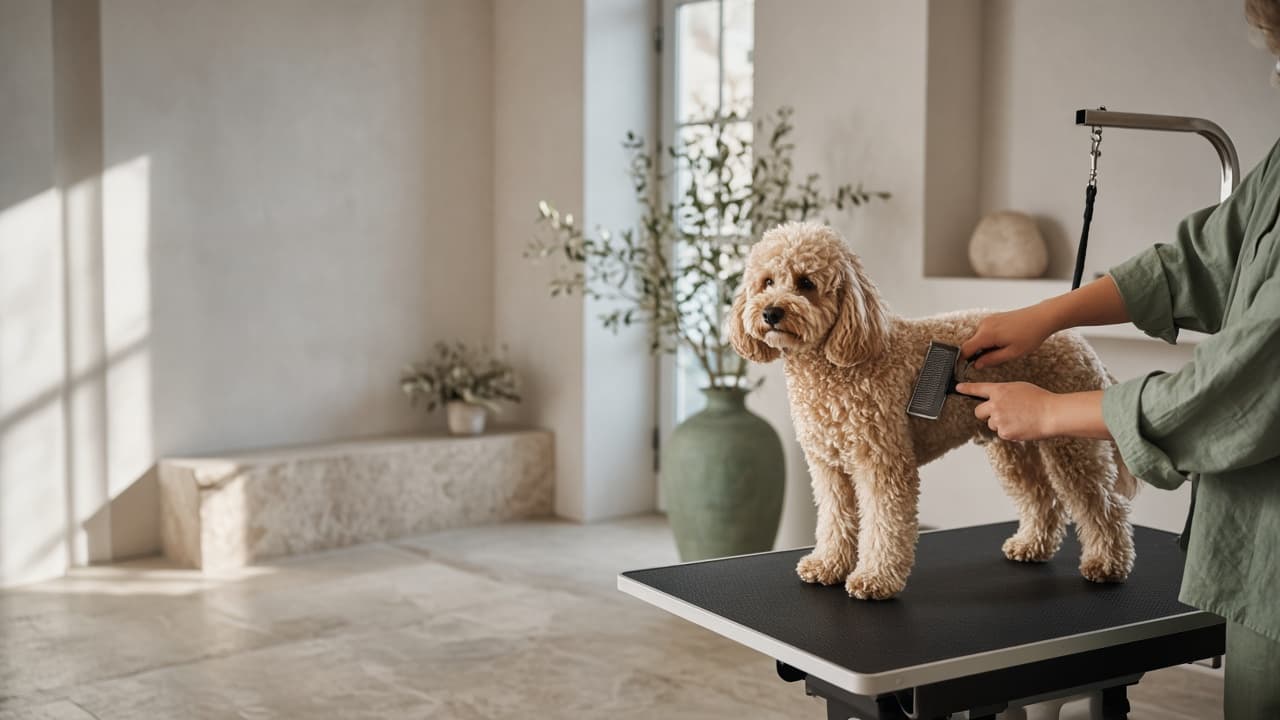
Grooming is not about looks. It is how you keep the skin ventilated, the coat free of knots that pull, the ears checked and the nails at the right length. A well-brushed dog scratches less, smells less and sees the vet less for avoidable things. And brushing time, done well, is one of the calmest moments of the week for both of you.
Every dog's coat is different and asks for different tools. A short, smooth coat needs little more than a rubber glove or brush. A double coat, like that of many Nordic and herding breeds, has a dense undercoat that mats if it is not combed to the root. A long, fine coat forms knots behind the ears, in the armpits and under the collar within days. A curly coat that is not brushed becomes a compact layer that can only be shaved off.
Knots are not just unsightly. They pull on the skin with every movement, trap moisture and dirt underneath and hide what is happening on the skin. A small knot comes apart with patience; a large one that already reaches the skin gets cut, and that is where it is easy to nick skin you cannot see because the hair covers it.
Part of grooming can be done at home with the right tools and a short routine, and part is better left to a professional: breed haircuts, removing a heavily matted coat, or a dog that does not yet tolerate any of this. Knowing where that line is, is part of caring well.
The usual road and the PerroAmante road. What people usually try: shaving the coat in summer to keep the dog cool, any old brush from the supermarket that never reaches the root, or leaving everything to the groomer every three weeks with nothing in between. They fail because the coat protects the skin, the wrong tool does nothing, and three weeks is too long for a knot. The Protocolo PerroAmante works in a different order: Understand which coat your dog has, Care for it with the right tool and ten minutes a week, and Maintain the coat between visits with timely refills and a trusted groomer for what is theirs. It is like a child's hair: combed every day at home, cut at the hairdresser now and then.
Common causes
- 01
Wrong tool
A brush that does not reach the undercoat only combs the surface. Underneath, dead hair builds up and mats.
- 02
Infrequent brushing
On long or curly coats, a week without combing is enough for knots to form behind the ears and in the armpits.
- 03
Bathing without brushing first
Water tightens existing knots and turns them into mats that are hard to remove without cutting.
- 04
Collar and harness
Constant rubbing forms knots and wears the hair on the neck and under the arms, and hides irritation.
- 05
Shaving
Shaving a double coat can change how it grows back and leaves the skin exposed to sun and bites.
- 06
A dog that will not tolerate handling
Without gradual training, every session becomes a struggle, gets cut short, and the coat is never properly combed.
Warning signs to watch
- Knots behind the ears, in the armpits, groin or under the collar
- Tufts left in your hand when you stroke the dog
- Dull coat, dandruff or a musty smell at the base
- Pulls away or growls when the brush comes near
- Red or wounded skin under a knot once it is removed
- Matted coat that hides the skin
- Areas where the hair grows unevenly after a cut
When to contact a vet
See your vet if, when removing a knot, you find red, damp, wounded or smelly skin, if round bald patches appear or hair falls out leaving skin exposed, if there are scabs or bumps under the coat, or if you have nicked the skin trying to remove a knot. A heavily matted coat that reaches the skin is best removed by a professional groomer or the vet, because the skin underneath may be damaged.
If the coat changes texture, becomes brittle or loses shine overall without any change in care, mention it at the next visit: sometimes the coat tells you what is happening inside.
This information is educational and does not replace a veterinary assessment.
Everyday care
Tool by coat type
Short coat: rubber glove or brush. Double coat: undercoat rake and pin brush. Long or curly coat: wide-tooth metal comb and a pin brush with protected tips. One or two well-chosen tools, not five.
Ten minutes a week
Short coat, once a week. Long, double or curly coat, two or three times. Always in the same spot, calmly, finishing before the dog tires.
Technique from the root
Part the coat in layers with one hand and comb from the skin outwards with the other, without pulling. Start with the easy areas and finish with ears and armpits.
Knots with patience
Hold the knot at its base so it does not pull the skin and work it loose from the tip with fingers and comb. A detangling spray helps. If it is already stuck to the skin, do not cut it with scissors: that is for the professional.
Brush before bathing
Never the other way round. Water sets knots. Brush, bathe, dry thoroughly and give a final dry comb.
Groomer for what is theirs
Breed cuts, removing mats, dogs that do not yet tolerate handling. With home maintenance the visits get further apart and shorter.
Care
Solutions for this problem
A short selection. Every product passed our 7-criteria score; we tell you what it does and does not do.
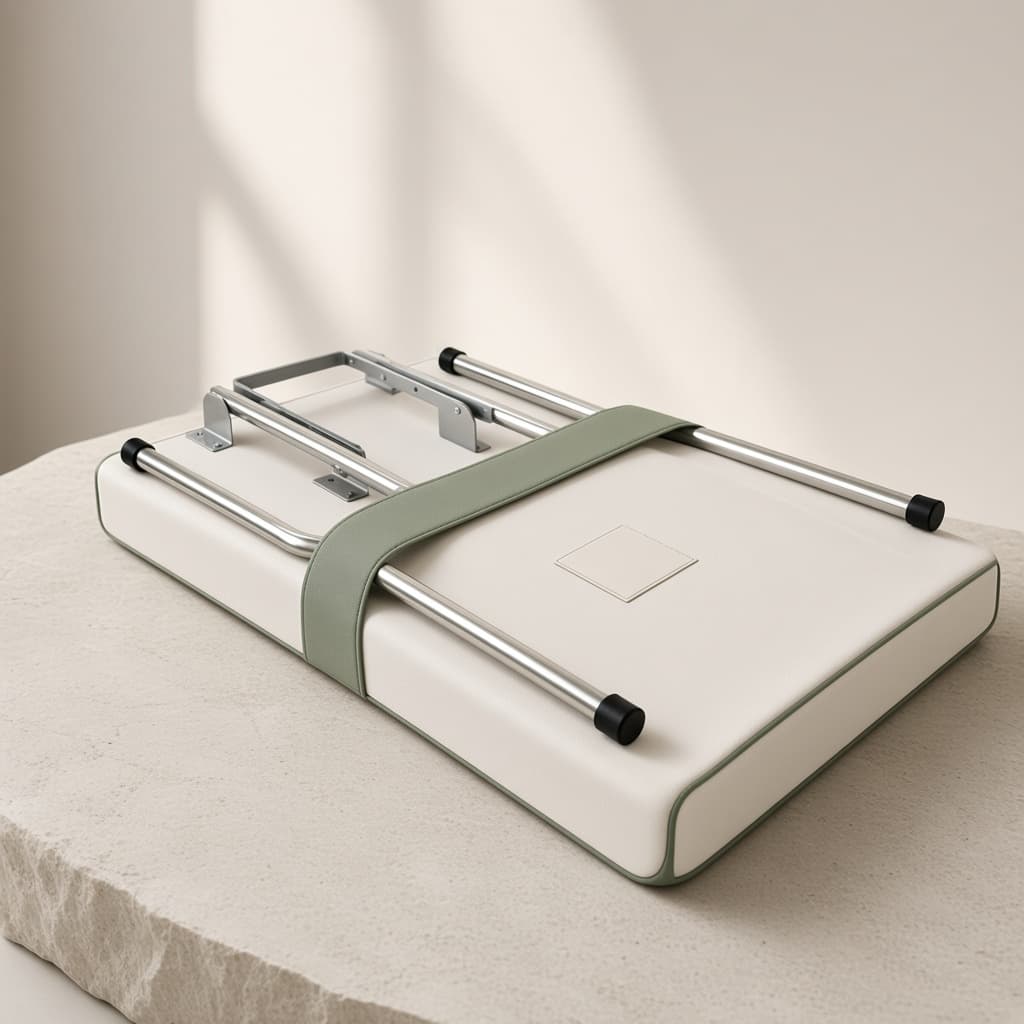
Folding grooming table with arm and noose
Brings the dog up to the height of your hands and keeps him there, so the session does not end on the bathroom floor.
€247.90
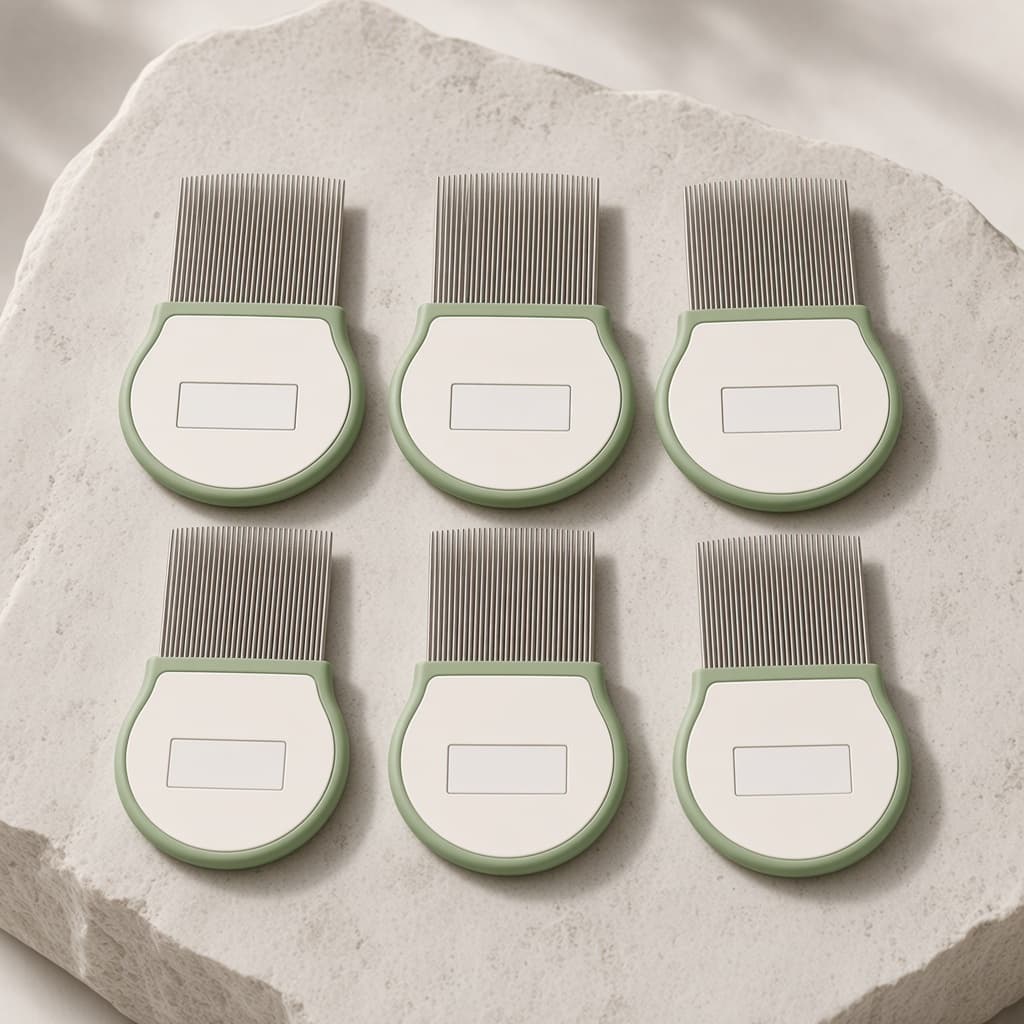
Bamboo grooming comb
Helps remove loose hair without resolving itch.
€9.90
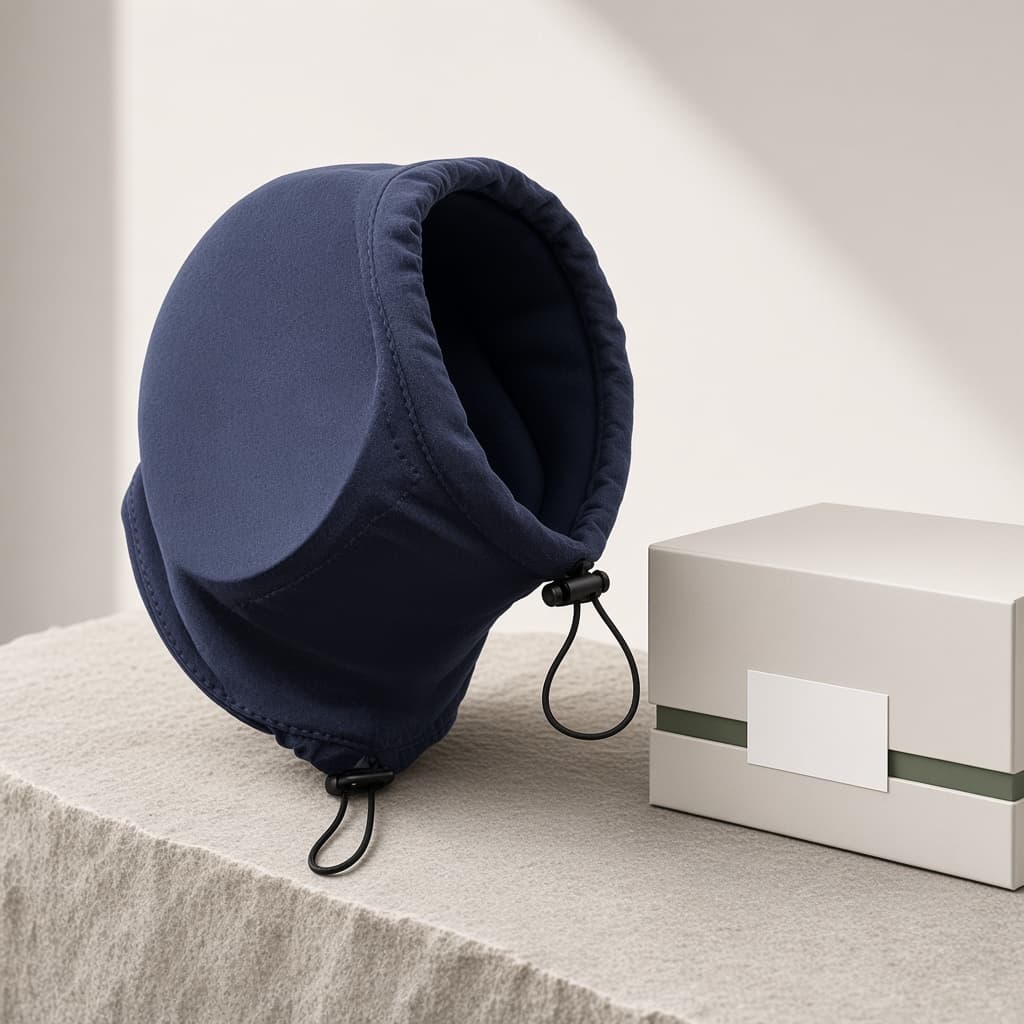
Breathable ear snood for bathing and drying
Holds the ears back and out of the water during the bath and the dryer.
€23.90
 Subscribe and save
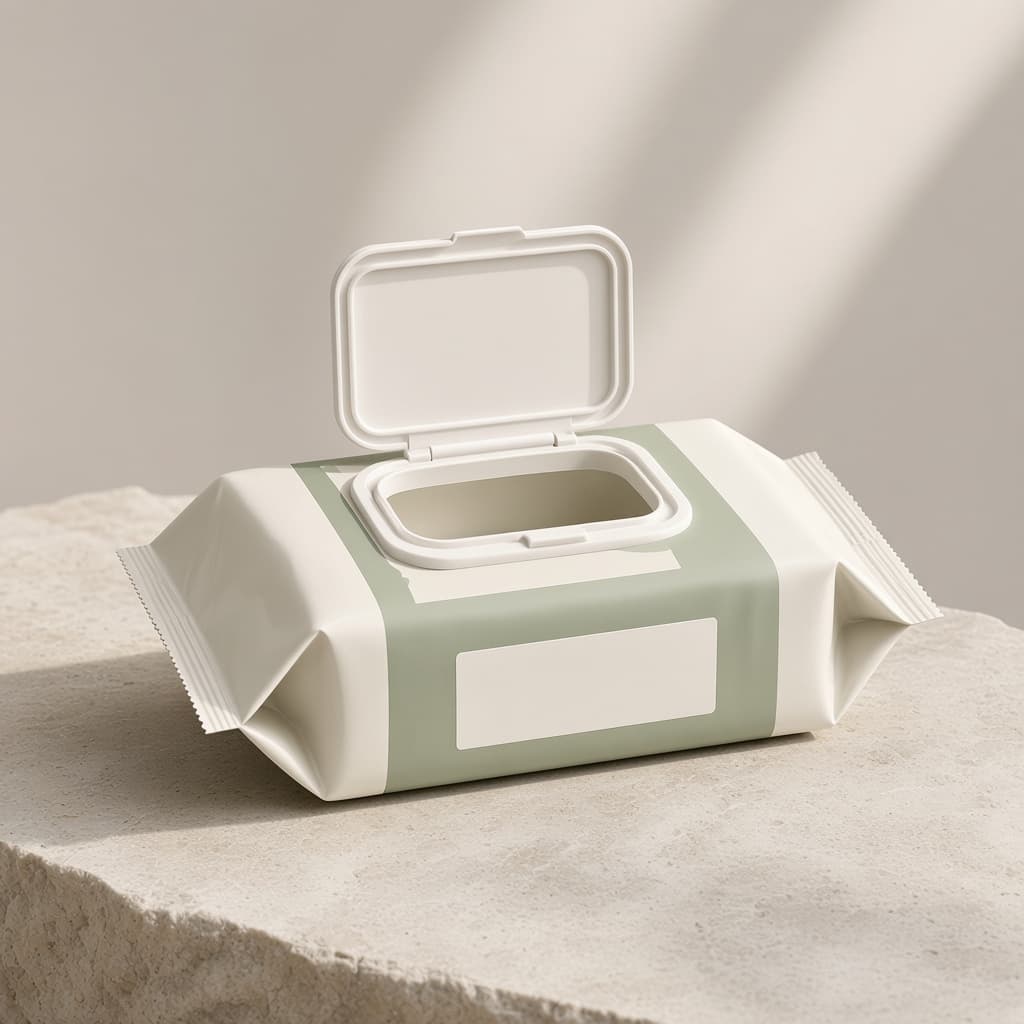
Colloidal Oatmeal Wipes
Gently clean your dog’s sensitive skin with colloidal oatmeal, fragrance-free and alcohol-free.
€9.90
Compare
| Compare | Folding grooming table with arm and noose | Bamboo grooming comb | Breathable ear snood for bathing and drying | Colloidal Oatmeal Wipes |
|---|---|---|---|---|
| Format | tool | tool | textile | wipes |
| Best for | Brings the dog up to the height of your hands and keeps him there, so the session does not end on the bathroom floor. | Helps remove loose hair without resolving itch. | Holds the ears back and out of the water during the bath and the dryer. | Gently clean your dog’s sensitive skin with colloidal oatmeal, fragrance-free and alcohol-free. |
| Role in the routine | Core | Core | Core | Core |
| Reorder | One-time | One-time | One-time | Subscribe every 45 days, -10% |
| Price | €247.90 | €9.90 | €23.90 | €9.90 |
Community experiences
PerroAmante Circle
Join the PerroAmante Circle
Your first purchase opens the door to our private community: problem-specific discussions, local vet and groomer recommendations, and reorder support.
Guides and articles
Coming soon.
Recommended professionals
Vets and groomers who help with this problem, recommended by members.
Frequently asked questions
Which tool for which coat?
Short coat, a rubber glove; double coat, a rake that reaches the undercoat; long or curly coat, a metal comb and a pin brush. The proof you chose right is that the tool brings out dead hair from the root without the dog complaining. With one or two correct tools, the rest is unnecessary.
Is grooming just about looks?
No. A knot-free coat lets the skin breathe, lets you spot wounds and parasites in time and keeps moisture from being trapped. Dogs brushed regularly scratch less and smell less. Looks are the side effect.
Will setting this up at home be expensive?
One suitable tool costs less than a single grooming session, which in Spain runs 35 to 60 euros every three weeks. With ten minutes a week, visits stretch to half as often or less. What you pay once lasts years.
My dog hates the brush. Where do I start?
You start without brushing. Leave the tool on the floor with treats on it; then touch the dog with the back of the brush for a second and reward. The proof it is working is that the dog stays when you pick it up. In two weeks you brush the back; ears and legs come later.
Join the PerroAmante Circle
Your first purchase opens the door to our private community: problem-specific discussions, local vet and groomer recommendations, and reorder support.