 PerroAmante
Digestion & gut · Protocolo PerroAmante
Flora 30 Method
The method that stabilises digestion in 30 days: repopulate, shape, observe.
A dog with regular digestion and a home without surprises is finally possible, without trying food brands at random, forum recipes or living on edge at every walk.
- 90-day guarantee
- Free shipping
- PerroAmante Circle included
How it works
Flora 30 Method
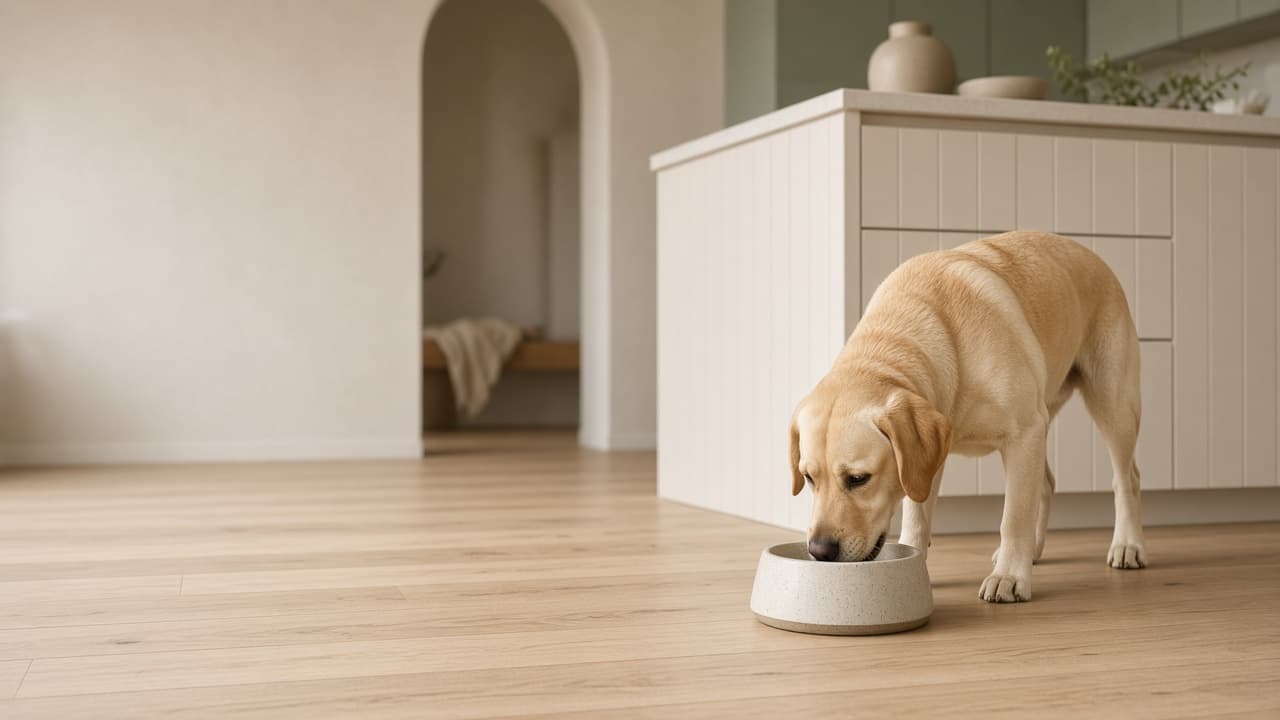
Soft stools that come and go are not bad luck: they are a gut flora that never fully recovered and a dog that swallows its food in seconds. The Flora 30 Method repopulates the flora with canine strains for thirty consecutive days and slows the gulping that swallows air and causes gas. In four weeks the gut works with a stable flora and digestion stops being a lottery.
- 01
Understand
The Digestion guide explains soft stools, gas and occasional vomiting, the common causes and the signs that mean vet today.
- 02
Care
Canine probiotic daily on the food, dosed by weight, and a maze bowl that forces slow eating: less air, less gas.
- 03
Maintain
Reorder every 45 days before it runs out, the Circle stool diary and the vets other members recommend in your city.
Changing food again
Every abrupt change disorders the flora again. The brand was not the problem; the transition was.
Rice and chicken for three days
It calms the episode but replenishes nothing. Next week it is back.
A human probiotic from the supermarket
Strains and doses are designed for people. In a dog they barely reach where they should.
Routine · Protocolo PerroAmante
Digestion Routine
The three steps together, 15% off and a single shipment.
- 01
€34.74€29.53
- 02
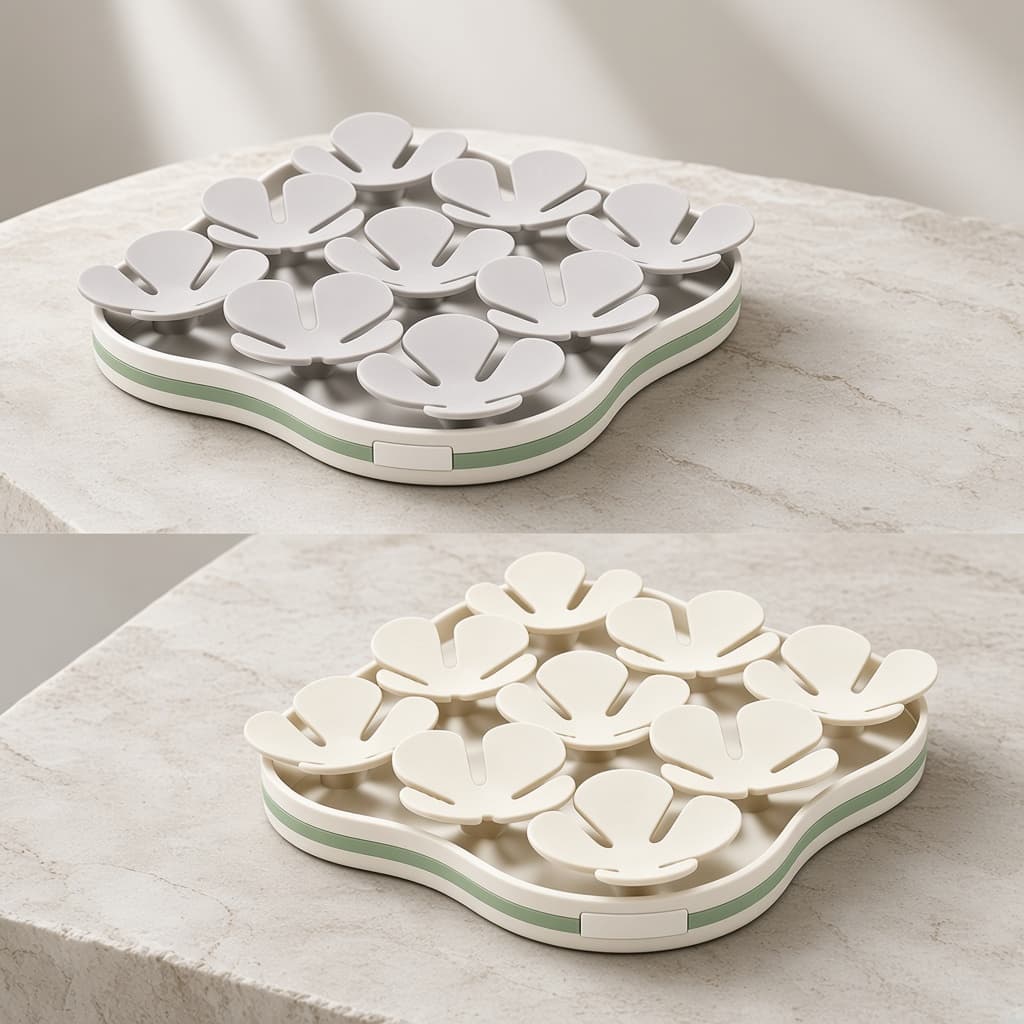
€18.48€15.71
Prefer the full offer? Digestion Routine →
What is going on
Soft stools now and then, gas that fills the living room, gurgling at night, the occasional yellow bile vomit in the morning. Almost every dog goes through some of this, and almost every owner wonders at some point whether it is normal. The short answer: in isolation, yes; when it keeps happening, it deserves attention.
A dog's digestive system is fast and fairly robust, but also sensitive to change. A new food introduced all at once, something picked up on a walk, an afternoon of nerves or a change in routine upsets the balance of the bacteria that live in the gut. Those bacteria do far more than digest: they regulate stool consistency, produce vitamins and form part of the body's defences.
When that balance breaks, you see it in the park before anywhere else. Softer stools or stools with mucus, more frequent, with a different smell. At home too: less enthusiasm at mealtimes, lip-licking, seeking out grass, a hard belly or odd stretching postures.
None of this tells you what is wrong with your dog. What you can do is provide stability: the same food, the same times, slow transitions and a watchful eye on the stools. And know at which point a sensitive stomach stops being a routine matter and becomes one for the vet.
The usual road and the PerroAmante road. What people usually try: switching kibble every two weeks looking for the right one, forum remedies read at eleven at night, or deciding that soft stools are just a dog thing. They fail because every abrupt change upsets the very gut flora you were trying to fix. The Protocolo PerroAmante works in a different order: Understand what unsettles the gut, Care for it with fixed mealtimes, slow transitions and the right support, and Maintain with daily observation and timely refills. It is like a plant: repot it every week and it never grows roots.
Common causes
- 01
Sudden food changes
Switching from one food to another in a single day gives the gut flora no time to adapt. The ideal transition takes seven to ten days.
- 02
Things off the ground
Food scraps, rubbish or other animals' droppings on walks are the most common cause of diarrhoea that appears out of nowhere.
- 03
Eating too fast
Swallowing without chewing and gulping air produces gas, regurgitation and a heavy feeling.
- 04
Stress
A move, visitors, noise or changes in routine upset the gut, just as they do in people.
- 05
Sensitivity to an ingredient
Some dogs digest a particular protein or grain poorly and show it with chronically soft stools and sometimes itching.
- 06
Intestinal parasites
Especially in puppies and dogs that frequent parks, parasites cause irregular stools and weight loss.
Warning signs to watch
- Soft, mucousy or very pasty stools for more than two days in a row
- Frequent gas or audible gut rumbling
- Vomiting, even if only foam or bile
- Eats grass insistently or licks the lips constantly
- Belly swollen, hard or painful to the touch
- Less appetite than usual, or refuses the usual food
- Weight loss or a dull coat with no explanation
When to contact a vet
Go to the vet without waiting if you see blood in the stools or vomit, if your dog vomits several times within a few hours, if the belly is very swollen and tight or the dog retches without producing anything, if the dog is flat, weak or refuses to drink, or if diarrhoea lasts more than 48 hours. Fever, pale gums or obvious pain are also reasons for an urgent visit.
Puppies, senior dogs and small dogs have less margin because they dehydrate very quickly: a single day of diarrhoea with vomiting already deserves a phone call. And if soft stools return every few weeks even though they seem to resolve on their own, it is time to look for the cause with your vet.
This information is educational and does not replace a veterinary assessment.
Everyday care
Slow transitions
When changing food, mix the new with the old and increase the proportion every two days over a week to ten days.
Fixed mealtimes
Two meals a day at the same time, in a quiet spot. The gut works better when it knows what is coming.
Slow down the eating
A slow-feeder bowl or a food-dispensing toy reduces swallowed air and gas. It also stretches out a moment many dogs enjoy.
Water always available
Fresh, in a clean bowl, in several spots around the house. After an episode of soft stools, hydration comes first.
Watch the stools
Notice consistency, colour and any mucus every day. An occasional photo helps explain to the vet what you saw.
Walks without surprises
Train a drop-it cue and avoid areas with rubbish. Fewer things off the ground, fewer nights with an upset belly.
Care
Solutions for this problem
A short selection. Every product passed our 7-criteria score; we tell you what it does and does not do.
Subscribe and saveProbiotic powder for dogs, 228 g
Complementary powder mixed into daily food but does not resolve or treat digestive issues.
€34.74
 Subscribe and save
Pumpkin powder for dogs
Pumpkin powder added to daily food that does not replace the vet.
€26.03
Silicone maze bowl for dogs
Silicone bowl with maze that organises food for a slower intake, with no therapeutic action and no replacement for veterinary care.
€18.48
 Subscribe and save
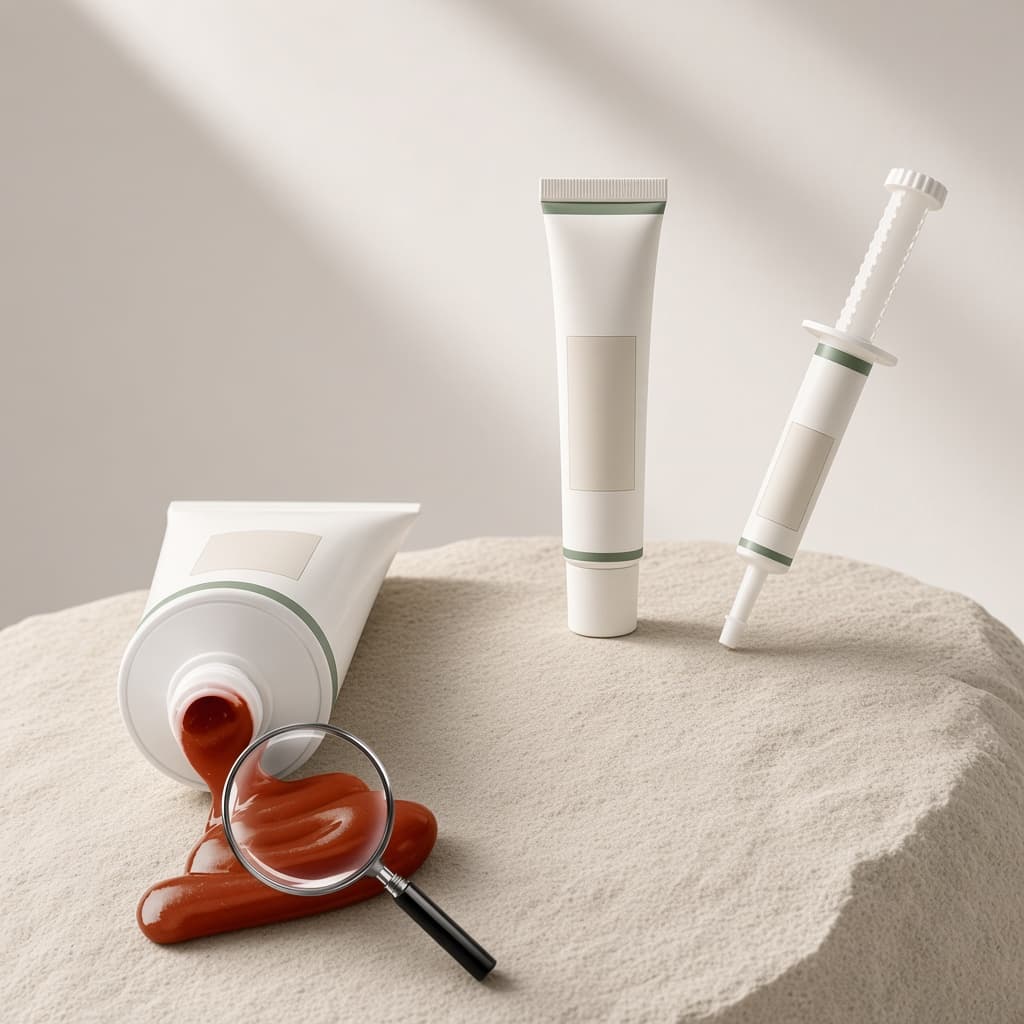
Probiotic gel syringe for dogs, 30 ml
30 ml syringe gel for direct dosing or mixing with food for fussy dogs without treating digestive issues.
€14.90
 Subscribe and save
Goat milk powder for dogs
Soluble powder that dissolves in warm water to make a drink encouraging fluid intake without treating digestion.
€19.90
 Subscribe and save
Salmon oil omega 3
Adds fatty acids to daily food without removing itch.
€19.90
Compare
| Compare | Probiotic powder for dogs, 228 g | Pumpkin powder for dogs | Silicone maze bowl for dogs | Probiotic gel syringe for dogs, 30 ml |
|---|---|---|---|---|
| Format | Powder with dosing scoop | Pumpkin powder | bowl | 30 ml dosing syringe |
| Best for | Complementary powder mixed into daily food but does not resolve or treat digestive issues. | Pumpkin powder added to daily food that does not replace the vet. | Silicone bowl with maze that organises food for a slower intake, with no therapeutic action and no replacement for veterinary care. | 30 ml syringe gel for direct dosing or mixing with food for fussy dogs without treating digestive issues. |
| Role in the routine | Core | Core | Support | Support |
| Reorder | Subscribe every 30 days, -10% | Subscribe every 45 days, -10% | One-time | Subscribe every 30 days, -10% |
| Price | €34.74 | €26.03 | €18.48 | €14.90 |
Community experiences
PerroAmante Circle
Join the PerroAmante Circle
Your first purchase opens the door to our private community: problem-specific discussions, local vet and groomer recommendations, and reorder support.
Guides and articles
Coming soon.
Recommended professionals
Vets and groomers who help with this problem, recommended by members.
Frequently asked questions
Probiotic or a change of food?
Stability first, changes second. If soft stools follow something off the ground or a nervous day, routine and gut-flora support are usually enough; if they keep returning on the same food for weeks, the food joins the conversation with your vet. Switching blindly is the most expensive way not to find out.
Can I give chicken and rice when my dog has diarrhoea?
In a healthy adult with a mild episode, a bland diet for a day or two can help. The test is simple: if stools have not firmed up within 48 hours or vomiting appears, stop improvising and call the vet. That threshold saves you nights of doubt.
Do digestion products come with a mandatory subscription?
No. Refills are optional, follow your dog's pace and cancel in one click from your account. They exist so you do not run out halfway through a transition, not to tie you down.
Why does my dog vomit bile in the morning?
It usually happens after many hours on an empty stomach. The test: move dinner later or split food into three meals for a week; if it disappears, you have your cause. If it continues, ask your vet.
Join the PerroAmante Circle
Your first purchase opens the door to our private community: problem-specific discussions, local vet and groomer recommendations, and reorder support.