 PerroAmante
Bad breath
My dog's breath smells bad
Understand the cause, care for the mouth in 5 minutes a day and know when to call the vet.
What is going on
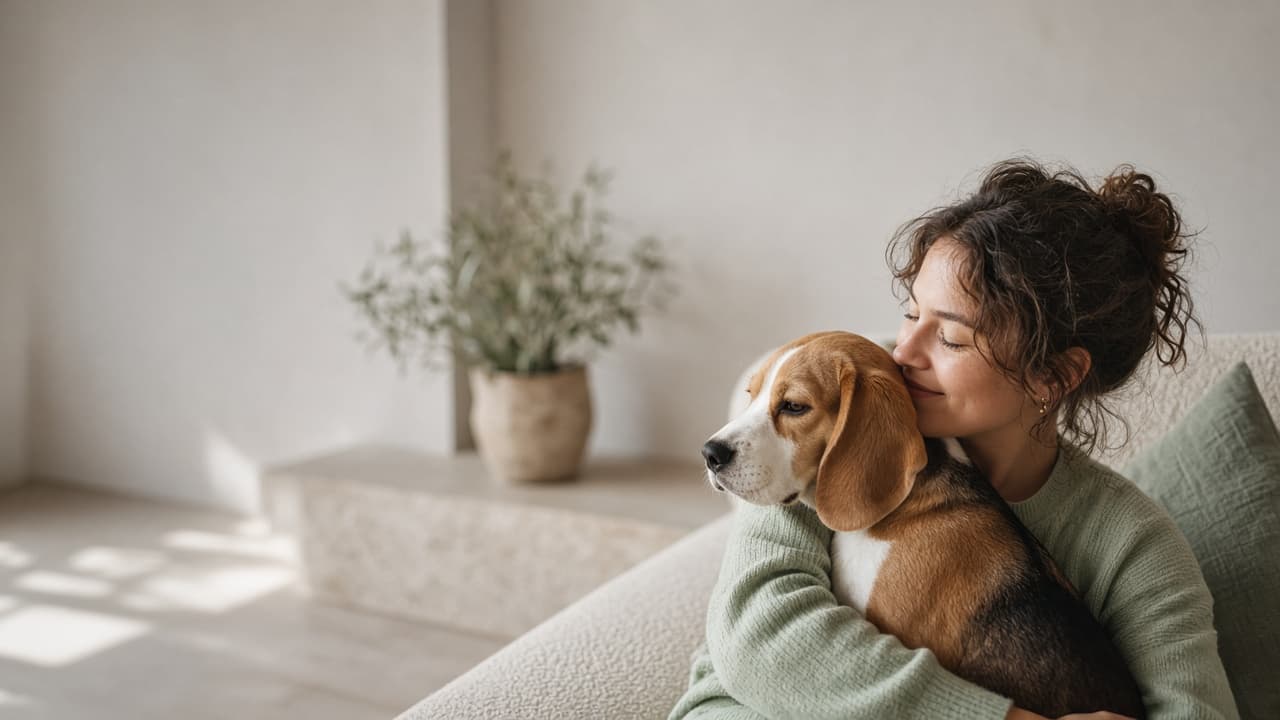
A dog's breath has never smelled of mint, but it should not make you turn your face away either. When the smell becomes strong, sour or sweetish and does not fade after eating or drinking, the mouth is telling you that something is building up where it should not.
Most of the time the origin is plaque: a film of bacteria that forms on the teeth every day. If it is not removed it hardens into tartar, creeps under the gum and the tissue becomes inflamed. The bacteria living there produce sulphur compounds, and that is the smell you notice when your dog yawns next to you.
Other factors add up. Food caught between the teeth, a toy licked for hours, the habit of eating things off the ground on walks, or a lip fold that stays damp. In small dogs and short-muzzled breeds all of this happens faster because the teeth are more crowded.
Breath that changes suddenly, smells chemical, or comes with drooling, difficulty eating or drinking much more water is not only a hygiene matter. That is where your vet needs to look. We help with the everyday part: what you can do at home, calmly and without forcing.
The usual road and the PerroAmante road. What people usually try: sugary dental treats that mask the smell for an hour, a water additive with nothing else changed, or accepting that bad breath is just part of having a dog. They fail because the smell comes from the gum line and none of that reaches it. The Protocolo PerroAmante works in a different order: Understand where the smell comes from, Care for the mouth with a one-minute brush and the right tool, and Maintain the habit with timely refills and a monthly check. It is like the kitchen: an air freshener is no substitute for wiping the counter.
Common causes
- 01
Plaque and tartar
The bacterial film that forms daily on the teeth hardens if not removed and becomes the most common cause of bad smell.
- 02
Inflamed gums
When tartar builds along the gum line, the tissue reddens and bleeds easily, and the smell intensifies.
- 03
Food debris
Pieces of food trapped between teeth or in lip folds ferment within a few hours.
- 04
Things eaten on walks
Rubbish, other animals' droppings or leftovers in the park leave an intense smell that can last all day.
- 05
Broken or retained teeth
A fractured tooth or a baby tooth that never fell out traps bacteria where a brush cannot reach.
- 06
Origin outside the mouth
Sometimes breath changes because of what is happening in the stomach, kidneys or metabolism. A new, strange smell is a reason to see the vet.
Warning signs to watch
- Strong smell that does not fade after eating or drinking
- Brown or yellowish line at the base of the teeth
- Red, swollen gums, or gums that bleed when chewing a toy
- More drooling than usual, or saliva with blood in it
- Eats more slowly, drops food or chews on one side only
- Rubs the mouth with the paws or against furniture
- A new sweetish or chemical smell, different from the usual one
When to contact a vet
See your vet if you notice blood in the mouth or saliva, a loose or broken tooth, if your dog stops eating or eats with obvious pain, or if the smell comes with vomiting, heavy thirst or a flat, withdrawn mood. Breath that smells sweet or chemical, unlike ordinary dirty-mouth smell, deserves a visit without delay.
If your dog is over seven and has never had a mouth check, or is a small breed, book a dental check even if the breath is not yet a problem. Professional cleaning and gum assessment can only be done by your vet, and the earlier it happens, the fewer teeth are lost.
This information is educational and does not replace a veterinary assessment.
Everyday care
Daily brushing, short and gentle
A soft-bristle brush or a silicone finger brush with dog toothpaste. Start with the outer teeth for thirty seconds and build up. Never use human toothpaste.
Start with the gesture, not the brush
For the first week just lift the lip and touch the teeth with a finger, rewarding afterwards. The brush comes once that feels normal.
Purposeful chewing
A firm-textured dental chew for a few minutes a day helps rub the tooth surface. Remove it if it splinters or if your dog swallows pieces.
Always fresh water
Change the water twice a day and clean the bowl. A hydrated mouth produces less smell.
Weekly mouth check
Any Sunday, in good light, lift the lip and look at teeth and gums. Take a photo if you want to compare next month.
Avoid street snacks
Train a solid drop-it cue and carry treats on walks. Less rubbish in the mouth, less smell when you get home.
Care
Solutions for this problem
A short selection. Every product passed our 7-criteria score; we tell you what it does and does not do.
 Subscribe and save
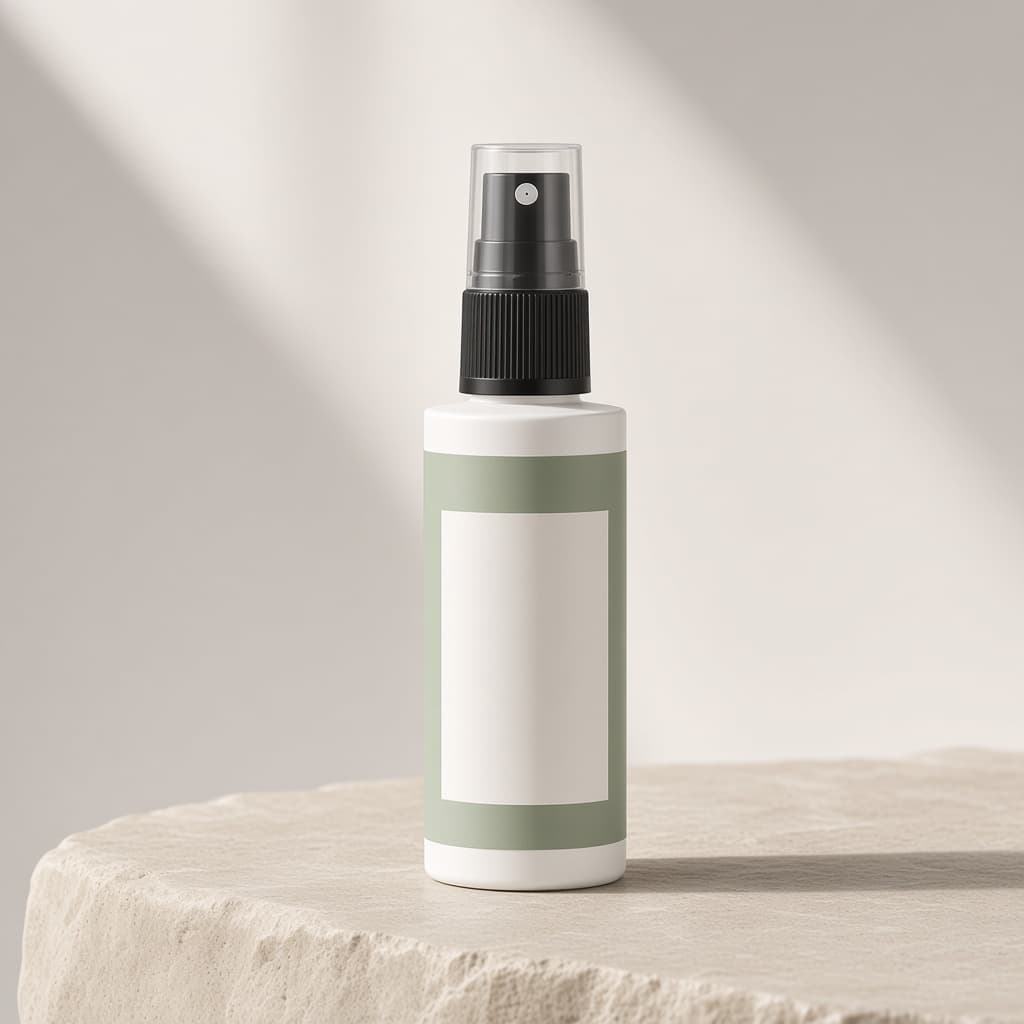
Oral spray for dogs
Oral spray that provides a momentary fresh sensation in the dog's mouth between brushings but does not treat any condition.
€14.90
 Subscribe and save
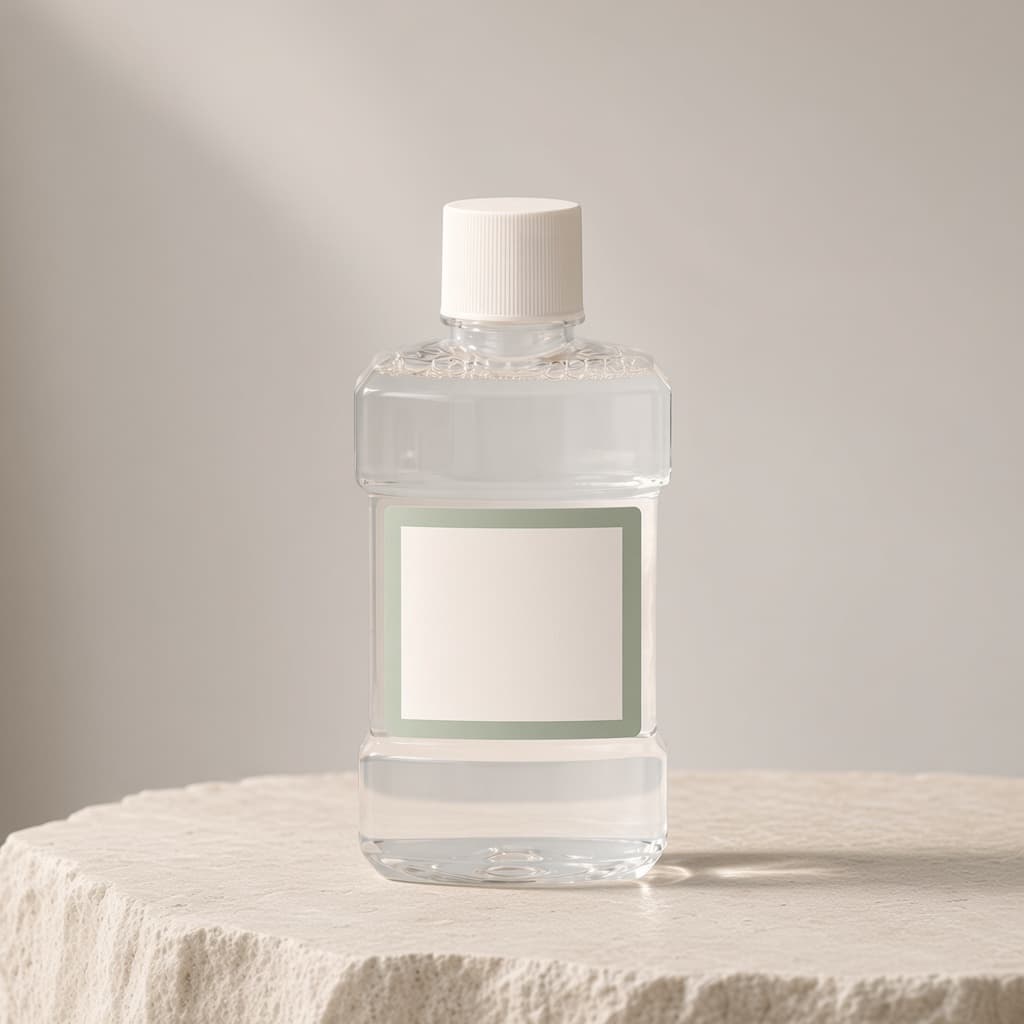
Liquid water additive for dogs
Added daily to the water bowl for dogs that refuse brushing, without resolving health issues or replacing veterinary care.
€14.90

Silicone chew toothbrush for teeth
The dog chews and the silicone bristles work the outer face of the tooth, with no hand in the mouth.
€21.90
 Subscribe and save
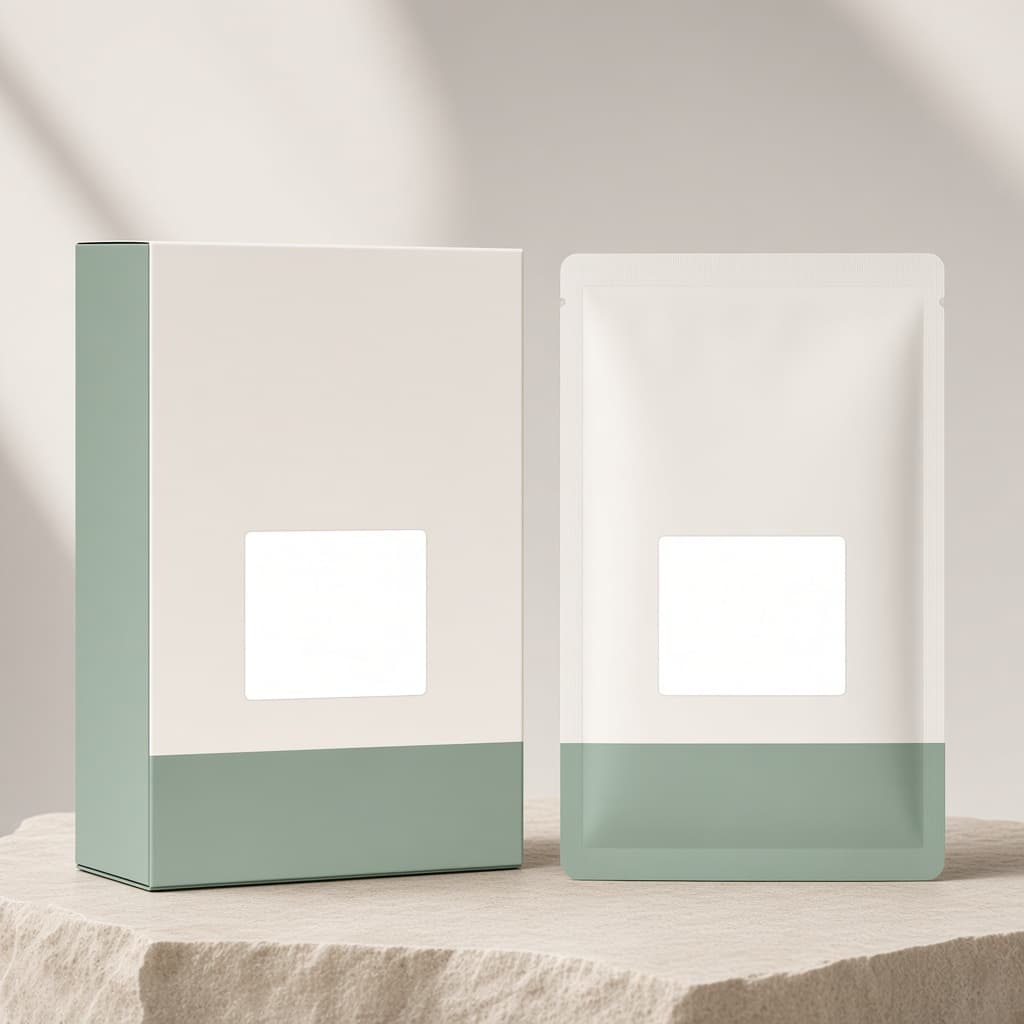
Dental finger wipes, alcohol free
Wipe the tooth with your finger, on the nights when brushing is not going to happen.
€7.90
 Subscribe and save
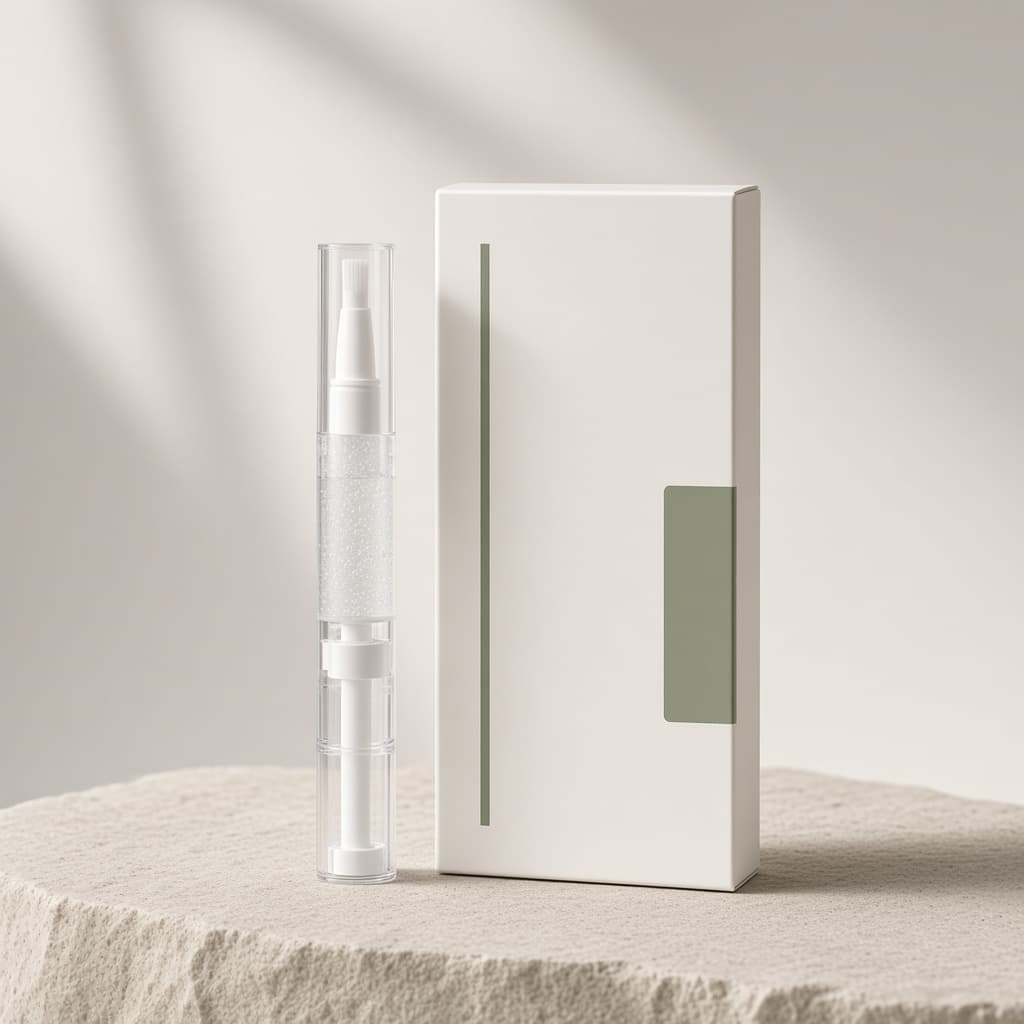
Dental gel for dogs with applicator
Gel applied to teeth and gums with finger or brush without rinsing and that does not replace the vet.
€14.90
 Subscribe and save
Oral hygiene powder for dogs, 100 g
Powder sprinkled on food to form part of the daily oral hygiene routine without treating or preventing dental problems.
€14.90
Compare
| Compare | Oral spray for dogs | Liquid water additive for dogs | Silicone chew toothbrush for teeth | Dental finger wipes, alcohol free |
|---|---|---|---|---|
| Format | Oral spray | Liquid for the water bowl | chew | Box of 6 per the manufacturer's spec sheet, to be confirmed on a sample |
| Best for | Oral spray that provides a momentary fresh sensation in the dog's mouth between brushings but does not treat any condition. | Added daily to the water bowl for dogs that refuse brushing, without resolving health issues or replacing veterinary care. | The dog chews and the silicone bristles work the outer face of the tooth, with no hand in the mouth. | Wipe the tooth with your finger, on the nights when brushing is not going to happen. |
| Role in the routine | Core | Core | Core | Core |
| Reorder | Subscribe every 45 days, -10% | Subscribe every 45 days, -10% | One-time | Subscribe every 45 days, -10% |
| Price | €14.90 | €14.90 | €21.90 | €7.90 |
Community experiences
PerroAmante Circle
Join the PerroAmante Circle
Your first purchase opens the door to our private community: problem-specific discussions, local vet and groomer recommendations, and reorder support.
Guides and articles
Recommended professionals
Vets and groomers who help with this problem, recommended by members.
Frequently asked questions
Is bad breath normal in dogs?
A mild smell, yes; a strong, constant one, no. The proof is at the base of the teeth: if you see a yellow or brown line, the smell has a cause and a routine. Caring for it in time avoids lost teeth and visits that were never needed.
Do dental treats replace brushing?
No. They rub the top of the tooth but never reach the gum line, where everything starts. One minute of brushing a day does more than any treat, and many treats contain sugars that feed exactly what you want to avoid.
Is this not just another pet shop?
No. For the mouth, three things work, not forty: a brush, dog toothpaste and a chew with the right texture. Every product you see here has passed an internal 7-criteria score and we keep its compliance documentation. Less choosing, more doing.
How often does my dog need a professional cleaning?
It depends on the dog, and only your vet can say after looking at the gums. The proof is your monthly photo: if the tartar is not growing, the routine works and cleanings get further apart. Each cleaning you avoid is 150 to 400 euros that stays at home.
Join the PerroAmante Circle
Your first purchase opens the door to our private community: problem-specific discussions, local vet and groomer recommendations, and reorder support.