 PerroAmante
Mouth: teeth and breath
My dog has tartar on the teeth
Understand tartar, care for the teeth in 5 minutes a day and know when to call the vet.
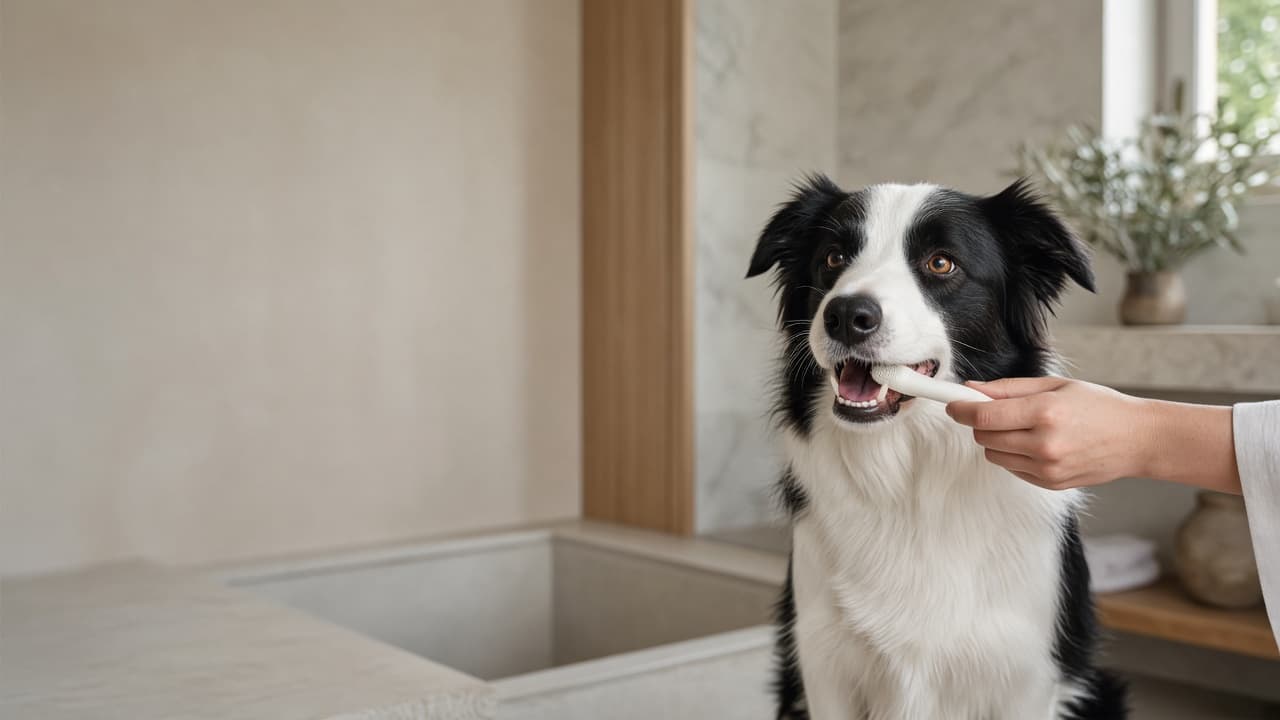
What is going on
Tartar does not appear overnight. It starts as plaque, a soft, almost invisible film that forms on the enamel within hours of eating. If nobody removes it, minerals in the saliva harden it within two or three days. That yellow or brown deposit stuck to your dog's molars has been there for weeks, probably months.
The colour is not the problem. Tartar has a rough surface that attracts more plaque, and it grows towards the gum line and beneath it. The gum responds by becoming inflamed: it turns red, bleeds when the dog bites something hard, and slowly recedes from the tooth. Over time the bone holding the root weakens and the tooth begins to move.
Dogs hide mouth pain well. They keep eating, perhaps more slowly or on one side, and you notice it more through the breath than through behaviour. That is why it pays to look inside the mouth regularly instead of waiting for the dog to stop eating.
Removing tartar that has already formed is the vet's work, under anaesthesia and with the right instruments. What you can do is stop it from forming again so quickly. There, a simple routine makes all the difference.
The usual road and the PerroAmante road. What people usually try: trusting an expensive kibble to clean on its own, scraping tartar at home with a metal tool, or sugary dental treats that vanish in ten seconds. They fail because the tartar that matters sits under the gum, where neither kibble nor scraper reaches. The Protocolo PerroAmante works in a different order: Understand how it forms, Care with a one-minute daily brush and chews of the right texture, and Maintain the result with a monthly photo and timely refills. It is like a child's teeth: no sweet replaces brushing every night.
Common causes
- 01
Plaque that is not removed
Without brushing, the bacterial film mineralises within days and becomes tartar that no brush can shift.
- 02
Crowded teeth
In small and short-muzzled breeds the teeth overlap, leaving gaps where food and plaque get trapped.
- 03
Soft diet
A diet of only wet food or table scraps offers no friction on the tooth surface.
- 04
Age
From five or six years old, build-up speeds up and the gums become more sensitive.
- 05
Saliva composition
Some dogs produce saliva richer in minerals and form tartar faster even with identical care.
- 06
Retained baby teeth
A puppy canine that never fell out creates a double tooth where tartar builds from a very young age.
Warning signs to watch
- Yellow or brown deposit stuck to molars and canines
- Red gum or a dark line right along the edge of the tooth
- Blood on a toy, in the water bowl or after brushing
- Persistent bad breath that gets worse over weeks
- A tooth that moves, is broken or has changed colour
- Chews on one side only or drops food
- Pulls away when you touch the face or muzzle
When to contact a vet
Book an appointment if you see a loose, broken or greyish tooth, gums that bleed for no reason, a lump or swelling on the face or under the eye, or if your dog stops eating, drools or seems in pain when you touch the mouth. These signs are not solved at home.
If tartar has already formed and is visible to the naked eye, the only way to remove it is a professional cleaning. Talk to your vet about timing; for older dogs they will ask for blood tests first. With puppies, check with the vet that the baby teeth have fallen out by around seven months.
This information is educational and does not replace a veterinary assessment.
Everyday care
Daily brushing
The only method that removes plaque before it hardens. Soft-bristle brush or finger brush, dog toothpaste, short strokes along the gum line. One minute is enough.
Prioritise the molars
That is where most builds up. Pull the lip back and reach the last teeth, even if the incisors wait for another day.
Texture in the diet
Ask your vet about kibble or chews with a texture designed for dental friction. They do not replace brushing, but they help.
Suitable chews
No cooked bones, stones or anything harder than your thumbnail: they break teeth. Choose firm materials with a little give.
Monthly photo check
Once a month, in good light, photograph the molars on each side. Comparing them is the most honest way to see whether your routine is working.
Professional cleaning when it is due
What is already hard does not come off at home. Plan the cleaning with your vet, then keep the gains with brushing.
Care
Solutions for this problem
A short selection. Every product passed our 7-criteria score; we tell you what it does and does not do.
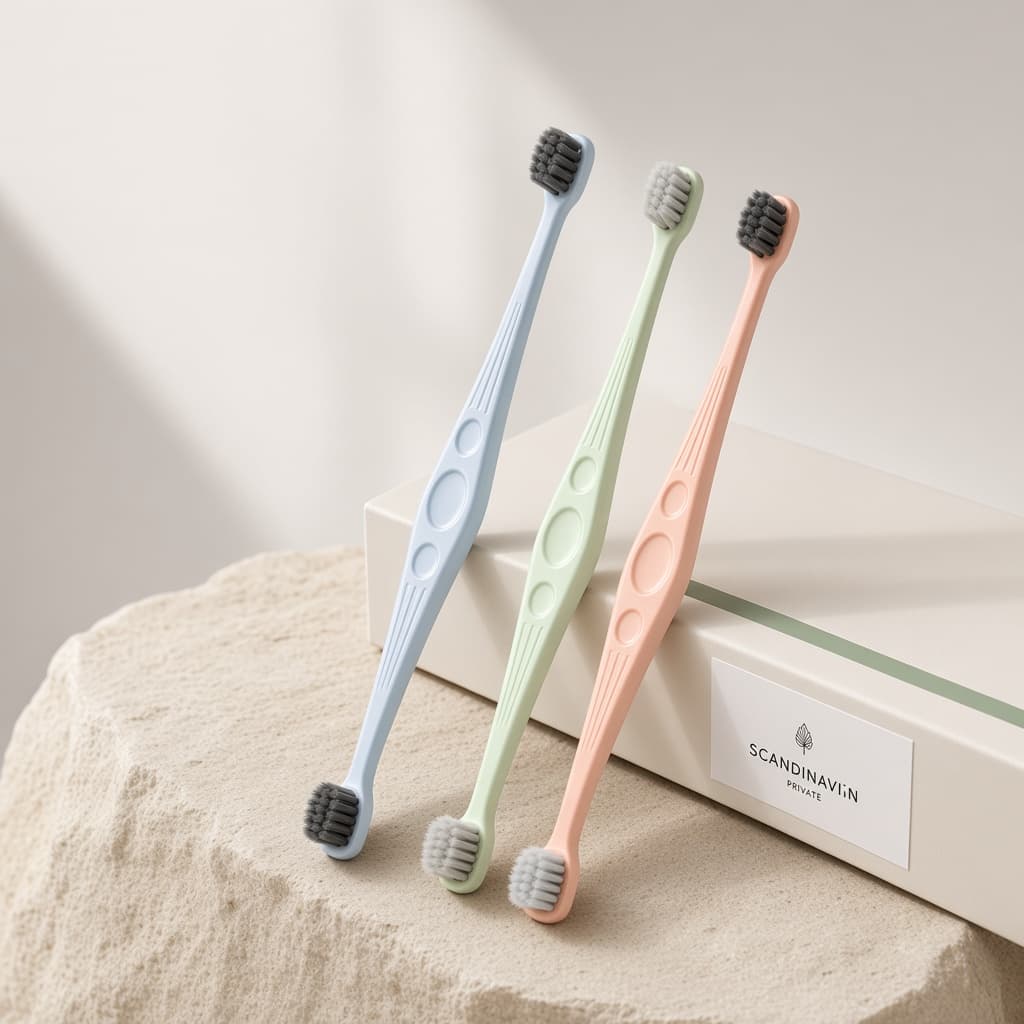
Enzymatic toothbrush kit, 3 pieces
Everything you need to start brushing properly, with two heads and a paste you do not have to rinse off.
€16.90

Silicone chew toothbrush for teeth
The dog chews and the silicone bristles work the outer face of the tooth, with no hand in the mouth.
€21.90
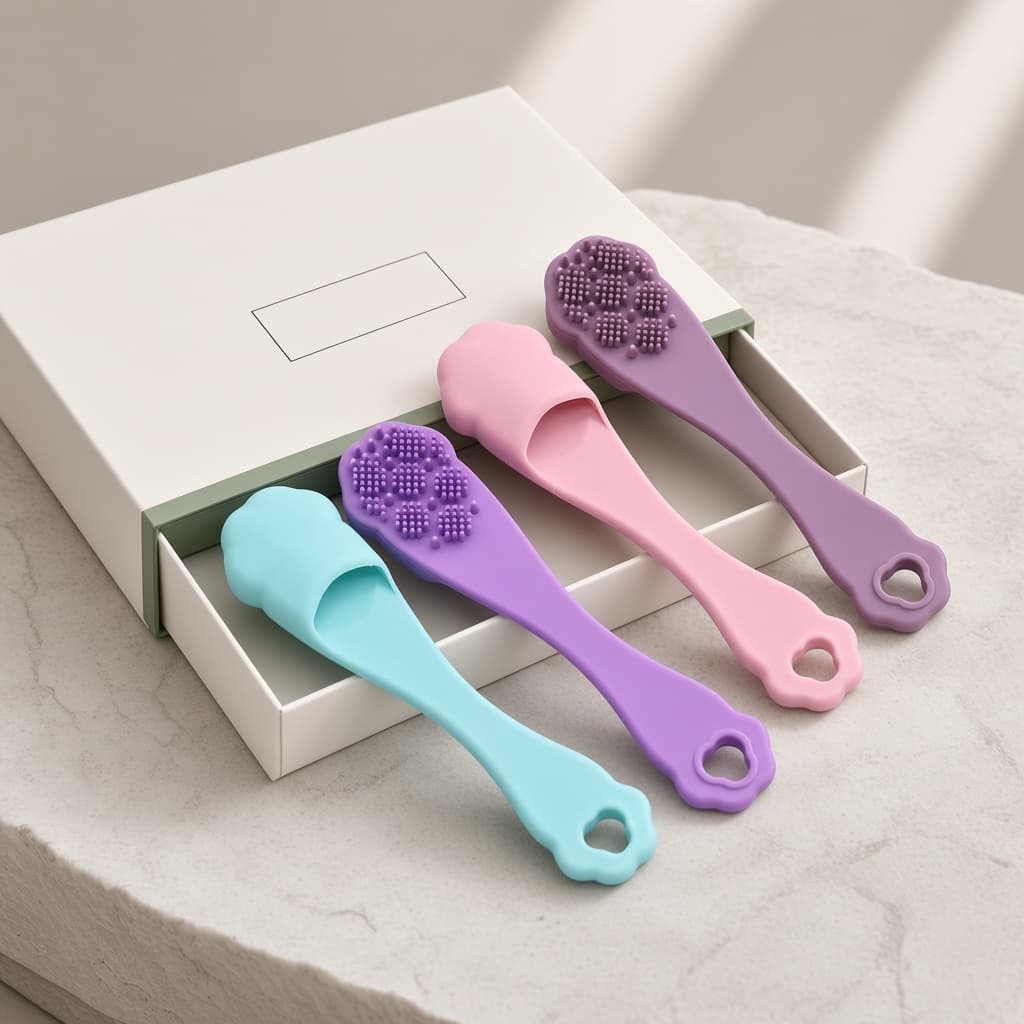
360-degree silicone finger brush for teeth
Brush with your finger and reach both faces of the tooth in one pass.
€4.90
 Subscribe and save
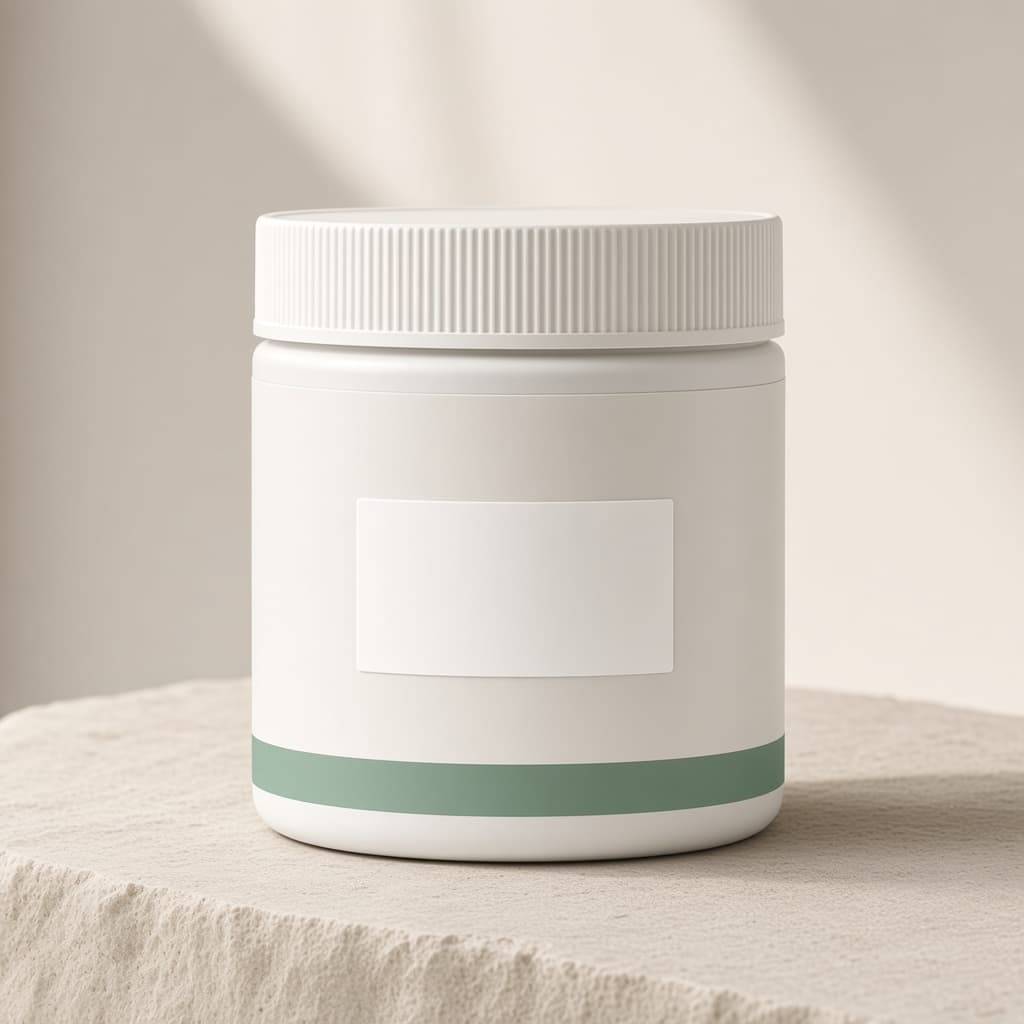
Oral hygiene powder for dogs, 100 g
Powder sprinkled on food to form part of the daily oral hygiene routine without treating or preventing dental problems.
€14.90
 Subscribe and save
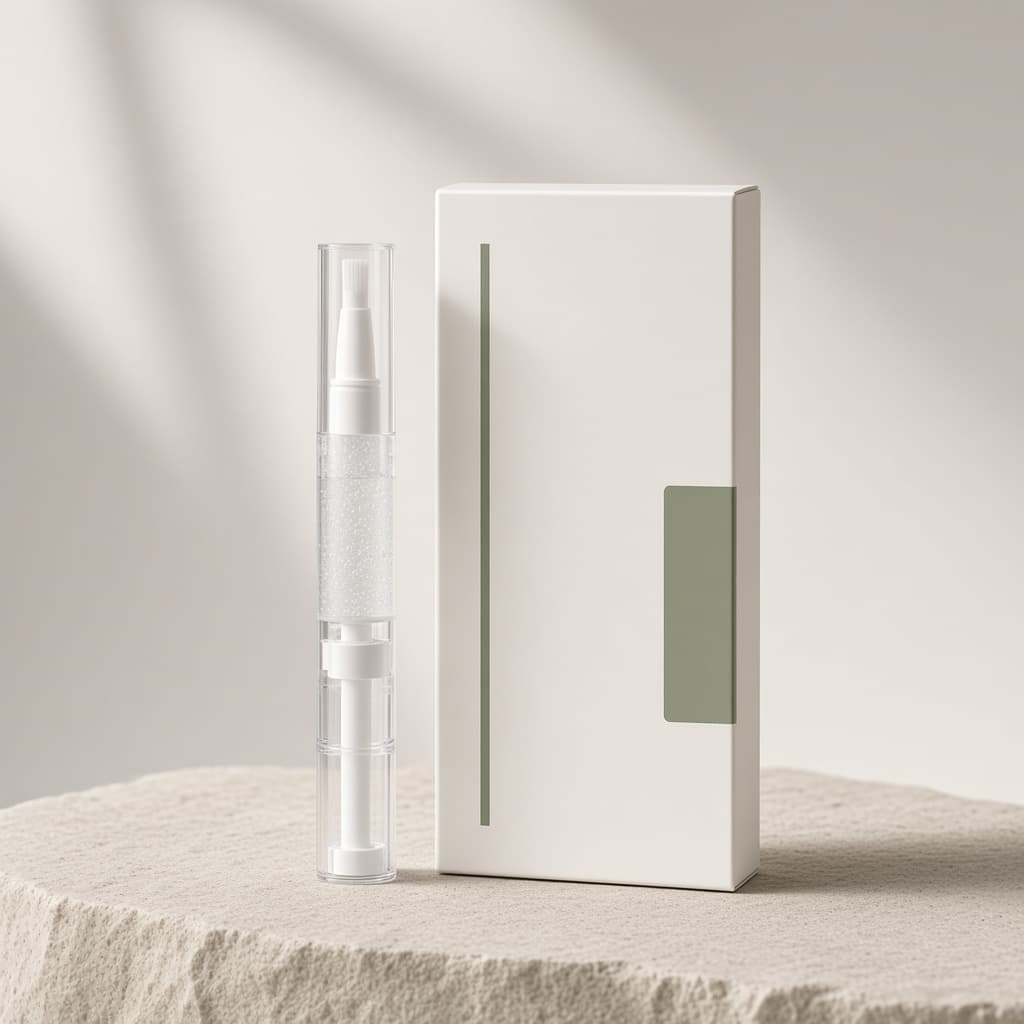
Dental gel for dogs with applicator
Gel applied to teeth and gums with finger or brush without rinsing and that does not replace the vet.
€14.90
 Subscribe and save
Dental finger wipes, alcohol free
Wipe the tooth with your finger, on the nights when brushing is not going to happen.
€7.90
Compare
| Compare | Enzymatic toothbrush kit, 3 pieces | Silicone chew toothbrush for teeth | 360-degree silicone finger brush for teeth | Oral hygiene powder for dogs, 100 g |
|---|---|---|---|---|
| Format | kit | chew | Reusable finger thimble | Powder to sprinkle |
| Best for | Everything you need to start brushing properly, with two heads and a paste you do not have to rinse off. | The dog chews and the silicone bristles work the outer face of the tooth, with no hand in the mouth. | Brush with your finger and reach both faces of the tooth in one pass. | Powder sprinkled on food to form part of the daily oral hygiene routine without treating or preventing dental problems. |
| Role in the routine | Core | Core | Core | Core |
| Reorder | One-time | One-time | One-time | Subscribe every 60 days, -10% |
| Price | €16.90 | €21.90 | €4.90 | €14.90 |
Community experiences
“Mi teckel de 6 años tiene la boca pequeña y el cabezal fino llega bien a los molares. El dedal es útil los primeros días para que se acostumbre.”
PerroAmante Circle
Join the PerroAmante Circle
Your first purchase opens the door to our private community: problem-specific discussions, local vet and groomer recommendations, and reorder support.
Guides and articles
Recommended professionals
Vets and groomers who help with this problem, recommended by members.
Frequently asked questions
Can I scrape off tartar myself?
No. Enamel and gum are easily damaged, and the tartar causing the problem is under the gum, where you cannot see or reach it. Your vet removes it under anaesthesia in one session; your job is to make sure it takes years to come back.
If my dog eats expensive kibble, does it need anything else?
Yes. Kibble rubs the top of the tooth and nothing more; the plaque that becomes tartar lives at the gum line. The proof is any small-breed dog on premium kibble with brown molars. One minute of brushing changes that picture.
Will this routine be expensive to keep up?
A brush and a dog toothpaste last months and cost less than one consultation. A dental cleaning under anaesthesia runs 150 to 400 euros, and extractions come on top. The routine is not the expense; it is what prevents the expense.
My dog hates having its mouth touched. Where do I start?
You start without a brush. In week one you only lift the lip for a second and reward; in week two you touch the teeth with a finger. The proof it is working is the dog leaning in on its own. When that happens, the brush comes in without a fight.
Join the PerroAmante Circle
Your first purchase opens the door to our private community: problem-specific discussions, local vet and groomer recommendations, and reorder support.